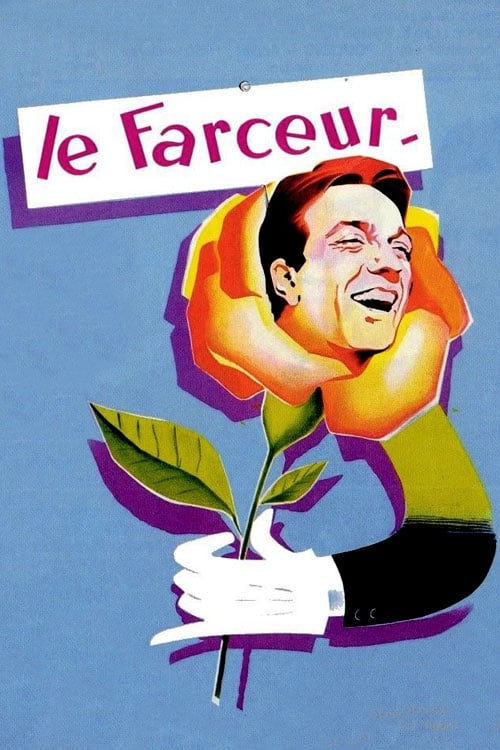
The Joker
1961
No user ratings available yet
Representation score: 0.6 out of 10
Representation Score
Fair
1972
Director
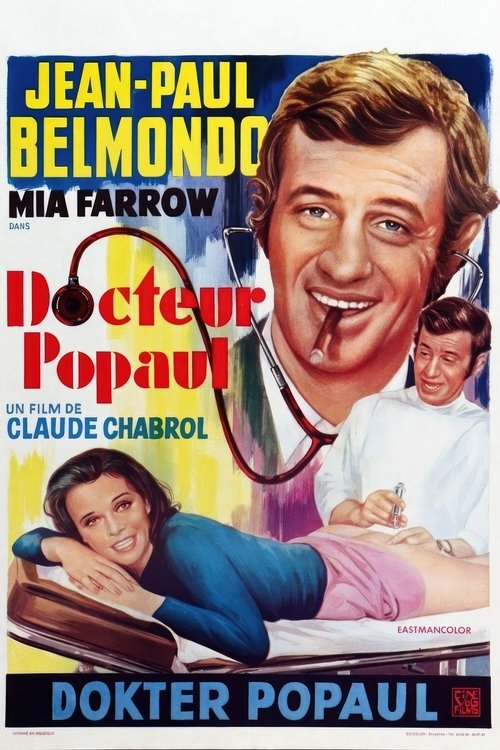
Claude Chabrol
Runtime
95 minutes
Average Rating
No ratings yetNew Showbiz Analysis
Claude Chabrol’s film is a dark satire that deconstructs the 'provider' archetype through a protagonist's descent into predatory behavior. It challenges the sanctity of traditional Western social structures and the stability of the nuclear family. However, the work remains limited by its narrow focus. The narrative relies on conventional heterosexual clichés and lacks broad representation for LGBTQ+ identities or diverse racial backgrounds. Ultimately, while the film disrupts bourgeois morality with sharp satire, it portrays disability and gender through traditional, often reductive, cinematic lenses.
Category Breakdown
The film focuses solely on heterosexual relationships and does not include any queer subtext or non-cisgender identities.
Female characters mainly serve as objects of desire or tools for the protagonist's psychological journey. The film critiques patriarchal norms but does not give significant roles to female characters.
The cast is predominantly white and focuses on a bourgeois social circle. It does not feature diverse casting to challenge the social norms of 1970s France.
The film critically examines Western institutions such as marriage and the nuclear family. It uses dark humor to deconstruct the idea of the respectable citizen.
The protagonist's bedridden condition is used as a plot device to manipulate others. It is not explored as a lived experience of disability.
Present on Screen
Limited or Absent
Official Synopsis
Paul, a former womanizer, marries the head of the medical department's "unattractive" daughter Christine because he thinks attractive women can't be trusted and make poor wives. A car accident leaves him bedridden and he begins to miss his playboy days, when Christine's bombshell sister Martine arrives and Paul decides he must have her. He begins drugging Christine at night so he can sneak out to kill of Martine's many suitors one by one.
1961
1977
1970
1976

1976
1972
1993
1975
No reviews yet. Be the first to share your thoughts on this movie!
Use the rating form above to leave a star rating and optional review.