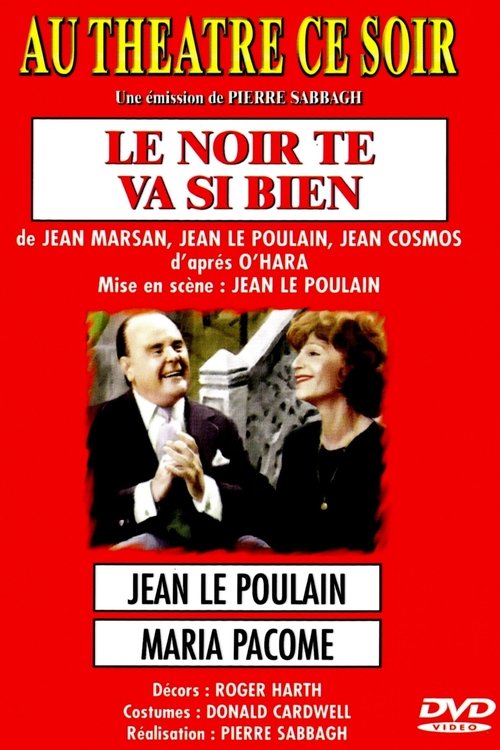
Le noir te va si bien
1975
No user ratings available yet
Representation score: 3.3 out of 10

Representation Score
Limited
1970
Director
Pierre Sabbagh
Average Rating
No ratings yetNew Showbiz Analysis
La Brune que voilà stands out from the era's typical casting by featuring a diverse group of women of color. This inclusion adds racial diversity uncommon in 1970s European comedies. However, the film's potential for progressiveness is hindered by its adherence to old-fashioned gender roles. The plot is driven by a male character who positions women as objects of pursuit rather than independent individuals. Ultimately, while the casting is diverse, the themes remain rooted in traditional comedic structures centered around heterosexual relationships and male dominance.
Category Breakdown
The film focuses on heterosexual relationships and infidelity. It does not include any non-straight or non-cisgender identities or critiques of the assumption that everyone is straight or cisgender.
The story relies on a male seducer cliché where the male character drives the plot. Female characters are primarily objects of desire or catalysts for the man's situation.
The film includes a diverse cast, with four women of color playing the roles of mistresses. This presence breaks the usual demographic uniformity of the time.
The movie follows mid-century European comedy traditions, focusing on personal relationships and conventional clichés about marriage without critiquing institutions.
There are no characters with visible or invisible disabilities mentioned in the story.
Present on Screen
Limited or Absent
Official Synopsis
Germain, a great seducer, collects the mistresses. There are four, all brown, and all married. When the husband of one of them disembarks to threaten him with death, he must break up. But with which? The gouailleur Robert Lamoureux interprets this man who does not like to leave women.
1975
1976

1961
1973
1972
1965
1979

1984
No reviews yet. Be the first to share your thoughts on this movie!
Use the rating form above to leave a star rating and optional review.