The One
2015
No user ratings available yet
Representation score: 5.5 out of 10
Representation Score
Good
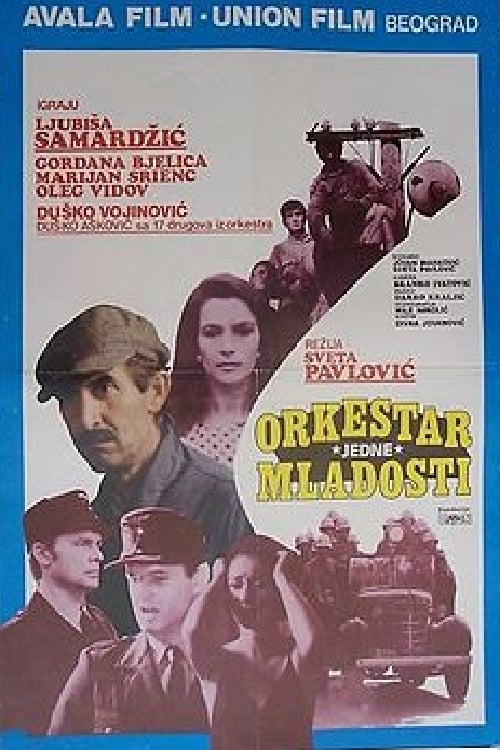
1985
Director
Svetislav Pavlović
Runtime
91 minutes
Average Rating
No ratings yetNew Showbiz Analysis
Orchestra of One Youthhood operates as a work of historical humanism. It finds its strength in portraying a multi-ethnic collective through the shared language of music, which helps disrupt rigid, ethnocentric historical narratives. The film prioritizes communal solidarity and the complexities of survival over individual identity politics. While it avoids modern multi-layered markers, it offers a nuanced look at how cultural institutions like brass bands persist during systemic upheaval. Ultimately, the film's diversity is rooted in its portrayal of a diverse Yugoslavian social fabric rather than explicit representation of underrepresented identities.
Category Breakdown
The film does not include any explicit representation of LGBTQ+ identities or same-sex relationships. The narrative centers on the camaraderie of a wartime brass band rather than individual queer experiences.
Women such as Gordana Bjelica and Elizabeta Đorevska are present in the cast, but it is unclear if they have significant roles in driving the story or if they challenge traditional wartime hierarchies.
The story highlights Yugoslavia's diverse ethnic makeup. By focusing on a brass band, the film likely showcases a varied collective that challenges monolithic national identities.
The film uses music and a civilian fire brigade to explore humanistic resistance. This focus shifts the narrative from state patriotism toward local cultural preservation and survival.
There is no documented evidence of characters with visible or invisible disabilities. While war often involves physical trauma, no specific disability-driven character arcs are identified.
Present on Screen
Limited or Absent
Official Synopsis
True story about the brass band of a fire brigade during WW2.
2015
1962
1966
1996
1979
1988
1980
1954
No reviews yet. Be the first to share your thoughts on this movie!
Use the rating form above to leave a star rating and optional review.