Like the Wind
2013
No user ratings available yet
Diversity score: 4.6 out of 10
2018
Director
Jean Becker
Runtime
83 minutes
Average Rating
No ratings yetSynopsis
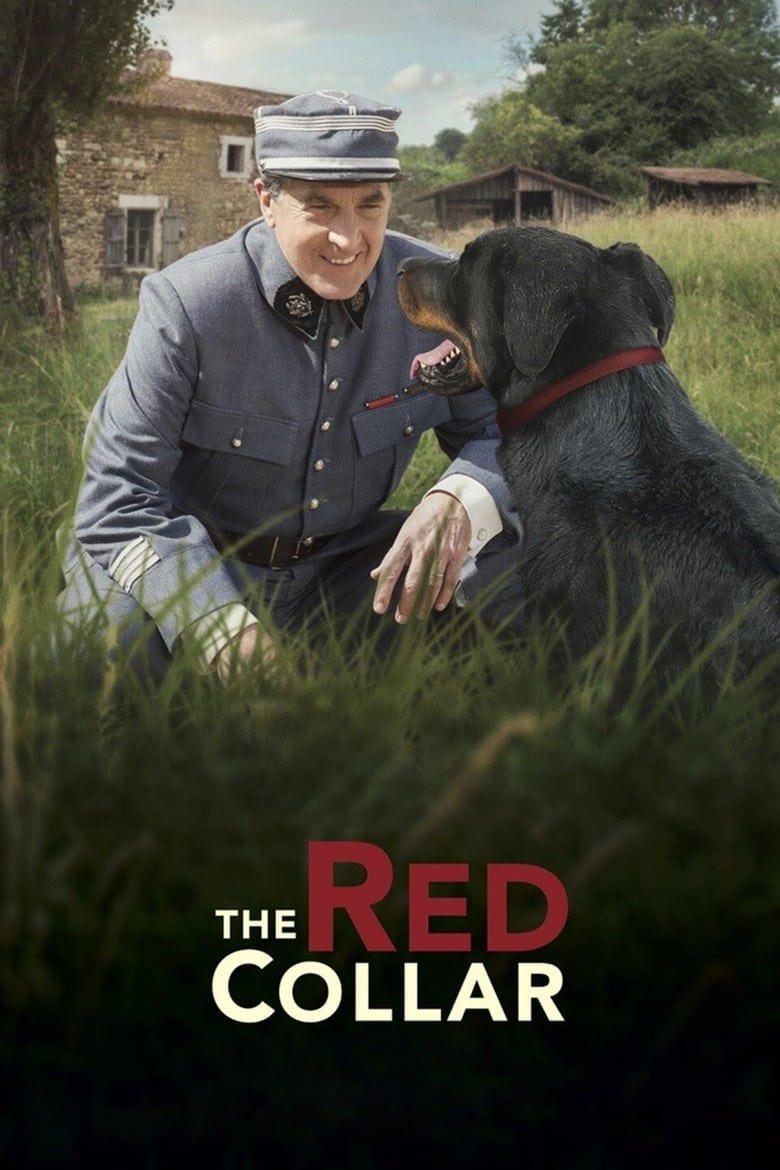
In 1919, in a small town under the crushing heat of summer, a war hero is held prisoner in an abandoned barracks. Outside, his mangy dog barks night and day. Not far off in the countryside, an extraordinarily intelligent young woman works the land, waiting and hoping. A judge whose principles have been sorely shaken by the war is coming to sort out this case of which it is better not to speak.
Overall Score
Fair
Category Breakdown
LGBTQ+ Representation
The film lacks explicit mention of LGBTQ+ characters or non-heteronormative identities. The narrative focuses on the interpersonal dynamics between a prisoner, a local woman, and a judge.
Gender Representation
A central, intelligent young woman provides a sense of agency and hope. Her role in working the land subverts traditional wartime tropes that favor male heroism.
Racial & Ethnic Diversity
The setting reflects the demographic homogeneity of rural France in 1919. There is no evidence of diverse casting that challenges the era's standard social constraints.
Religious & Cultural Diversity
The story critiques established legal and moral certainties through a judge whose principles are shaken. It prioritizes individual truth over rigid institutional morality.
Disability Representation
The narrative explores the psychological fallout of the Great War. It suggests themes of trauma and the struggle for reintegration following the conflict.
Strengths
Areas for Improvement
AI Analysis
The Red Collar is a period drama that finds its strength in humanistic exploration rather than overt identity politics. It succeeds in subverting traditional power structures by centering female intellect and questioning the moral certainty of judicial institutions in a post-war landscape. However, the film's historical setting limits its intersectional breadth. The focus on rural France in 1919 results in a lack of racial and LGBTQ+ diversity, keeping the score tethered to the era's demographic realities. Ultimately, the film offers a nuanced look at individual agency and the invisible wounds of war, even if it remains within the social constraints of its time.
2013
1999

2020
2016
1962
1987
1996

2016

2016

2020
2023

2008
No reviews yet. Be the first to share your thoughts on this movie!
Use the rating form above to leave a star rating and optional review.