
Conversations with My Gardener
2007
No user ratings available yet
Diversity score: 4.6 out of 10
1999
Director
Jean Becker
Runtime
115 minutes
Average Rating
No ratings yetSynopsis
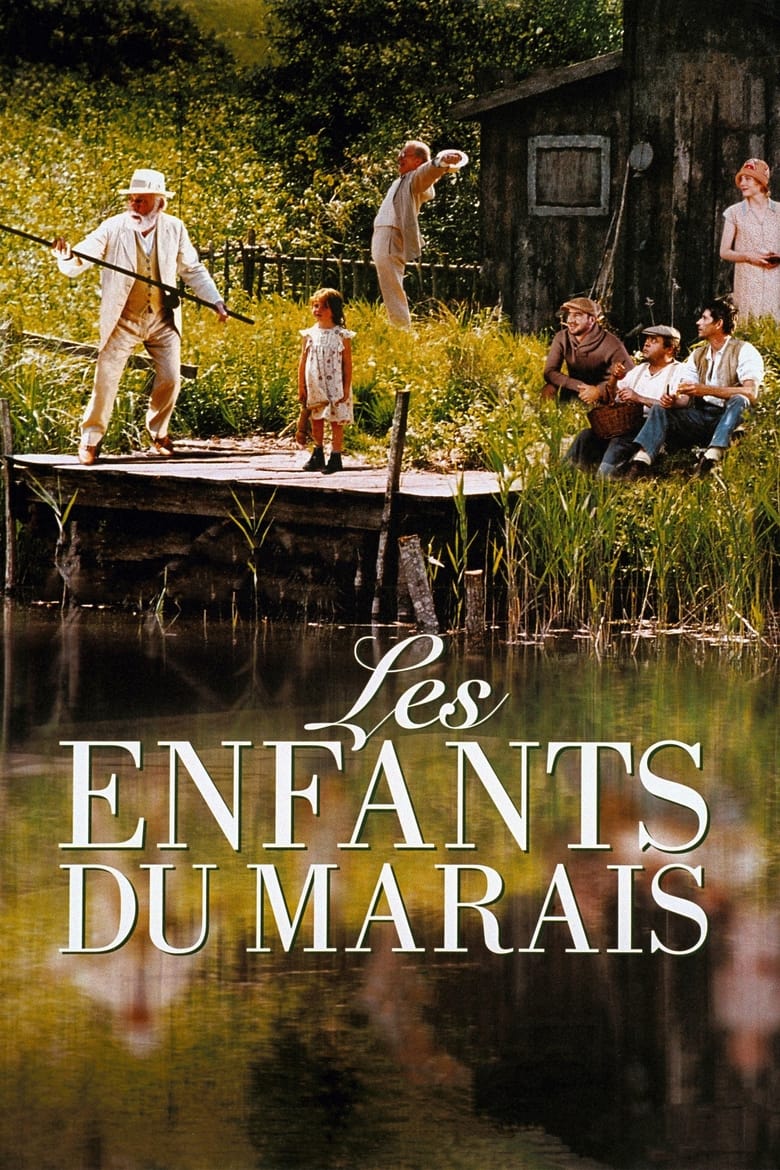
The film is set in Marais, a quiet region along the banks of Loire river in 1918. Riton is afflicted with a bad-tempered wife and three unruly children. Garris lives alone with his recollections of World War I trenches. Their daily life consists of seasonal work and visits from their two pals: Tane, the local train conductor and Amédée, a dreamer and voracious reader of classics.
Overall Score
Limited
Category Breakdown
LGBTQ+ Representation
The film lacks explicit LGBTQ+ characters or narratives. The story focuses on conventional social structures and domestic struggles within a 1918 setting.
Gender Representation
Female presence is defined by Riton's bad-tempered wife. While this avoids the nurturing mother trope, it risks relying on stereotypes of domestic dysfunction.
Racial & Ethnic Diversity
The setting reflects the demographic homogeneity of rural France in 1918. There is no indication of a multi-ethnic cast or diverse racial representation.
Religious & Cultural Diversity
The film prioritizes intellectualism through characters like Amédée over religious dogma. It offers a grounded, cynical view of traditional domestic life and post-war trauma.
Disability Representation
Garris provides a window into psychological struggle through his memories of trench warfare. This offers a potential look at the invisible scars of mental health.
Strengths
Areas for Improvement
AI Analysis
The film is a period-specific human drama that prioritizes character studies over social disruption. It captures the psychological weight of post-war life through Garris's trauma and the friction of rural domesticity. While the narrative avoids idealized pastoral tropes, it remains bound by the demographic and social constraints of its 1918 setting. The lack of intersectional breadth or non-heteronormative identities keeps the diversity score low. Ultimately, the film explores the nuances of human connection and isolation rather than challenging established social hierarchies or providing a diverse cast.
2007
1992
1996
2013

2010
1972
2007

2023

2017
1993

2004
1977
No reviews yet. Be the first to share your thoughts on this movie!
Use the rating form above to leave a star rating and optional review.