
Italian Horror Stories
2021
No user ratings available yet
Representation score: 3.5 out of 10
Representation Score
Good
2016
Director
Yoshihiro Nakamura, Mari Asato, Koji Shiraishi, Hiroki Iwasawa, Hajime Ohata, Eisuke Naito
Runtime
100 minutes
Average Rating
No ratings yetNew Showbiz Analysis
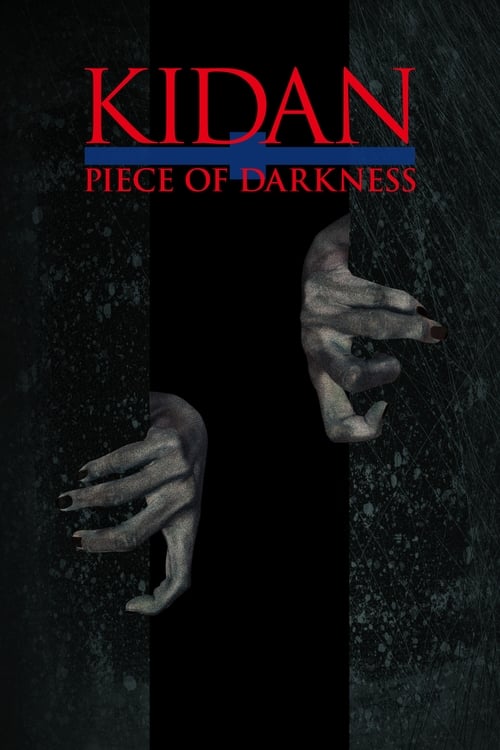
Kidan Piece of Darkness succeeds as a culturally specific anthology that challenges Western-centric horror norms. By centering Japanese folklore, it provides a rich, non-Western mythological framework that offers significant cultural depth. However, the film is limited by genre-specific clichés. Gender representation shifts between empowering ability to act and victimization, while disability is often used as a plot device to increase psychological tension rather than offering character autonomy. Ultimately, the film explores atmospheric dread and moral ambiguity. While it excels in cultural specificity, it lacks meaningful representation for LGBTQ+ identities and neurodivergent characters.
Category Breakdown
The anthology does not focus on queer romance or non-cisgender identities. Instead, it emphasizes traditional folklore and psychological dread.
Female characters often face existential threats that challenge traditional roles. They sometimes exhibit strong ability to act but also fall into the common 'victim' cliché in horror films.
The film primarily features a homogeneous cultural setting rooted in Japanese storytelling traditions. It gains depth by focusing on non-Western mythologies and traditional ghost stories.
The story structure challenges traditional stability by presenting family and social order as sources of terror. It favors flexible ethical views over rigid moral absolutes.
Characters with physical or mental vulnerabilities often serve as conduits for supernatural tension. These portrayals can use mental health issues merely as a tool for creating dread.
Present on Screen
Limited or Absent
Official Synopsis
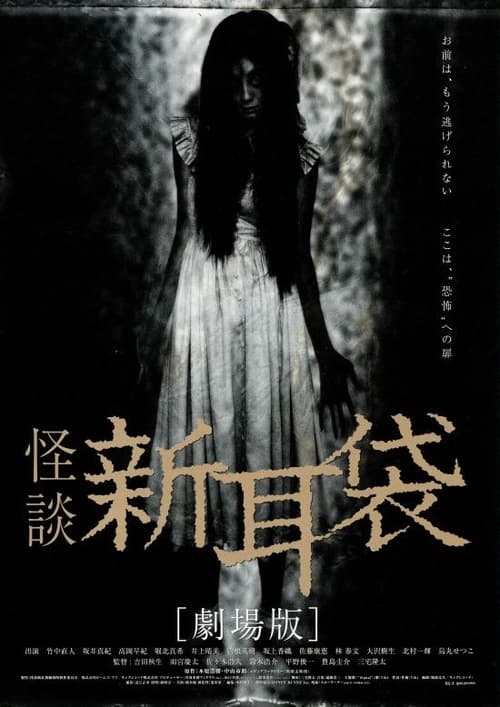
Based on Fuyumi Ono's best-selling books, these 10 tales of spookiness by six Japanese horror directors are designed to chill viewers to the bone.
2021
2000
2005
2005
2002
2011
2004
2004
No reviews yet. Be the first to share your thoughts on this movie!
Use the rating form above to leave a star rating and optional review.