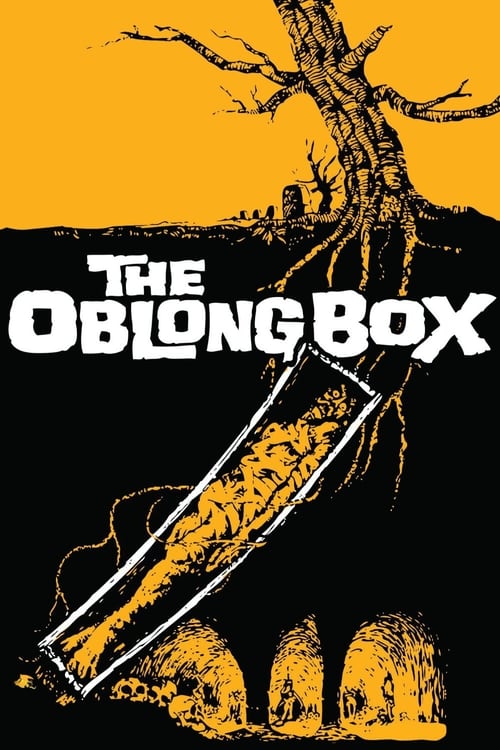
The Oblong Box
1969
No user ratings available yet
Representation score: 2.5 out of 10
Representation Score
Minimal
1946
NRDirector
Victor M. Gover
Runtime
100 minutes
Average Rating
No ratings yetNew Showbiz Analysis
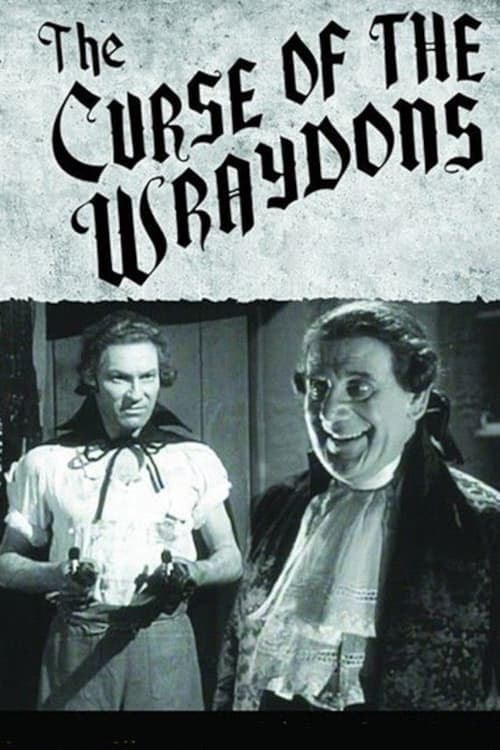
The Curse of the Wraydons is a mid-century British horror film that prioritizes genre clichés over social complexity. It functions as a traditional morality play, focusing on a singular, maniacal antagonist driven by a personal vendetta. The film lacks depth in reflecting multiple aspects of identity. It adheres strictly to the social constraints of 1946, relying on established archetypes that reinforce existing social hierarchies. Ultimately, the production offers a homogeneous view of the world. It lacks visible representation of diverse racial, ethnic, or LGBTQ+ identities, serving as a standard example of its era's horror conventions.
Category Breakdown
The film focuses on a singular antagonist's vendetta against a specific family. There are no characters with non-cisgender identities or narratives that challenge the assumption that everyone is straight.
The plot revolves around a hyper-masculine, maniacal male figure. This reinforces traditional masculine dominance rather than challenging gender hierarchies.
Set in the British countryside, the film depicts a homogeneous social structure. There is no evidence of diverse casting or non-human metaphors for ethnic diversity.
The film follows a traditional morality play structure with clear distinctions between good and evil. It relies on conventional horror clichés rather than critiquing Western institutions.
The antagonist's psychological instability is used as shorthand for villainy. There is no nuanced portrayal of neurodivergence or characters with lived experience of mental health issues.
Present on Screen
Limited or Absent
Official Synopsis
Tod Slaughter goes about the countryside strangling everybody. His evil scheme is to destroy the family who wronged him. He has a secret lab complete with a torture chamber, featured in the films climax. Probably the most maniacal portrayal Tod ever gave.
1969
1935
1968
1962

1963
1960
1966
1928
No reviews yet. Be the first to share your thoughts on this movie!
Use the rating form above to leave a star rating and optional review.