
Charlie: The Life and Art of Charles Chaplin
2003
No user ratings available yet
Diversity score: 5.0 out of 10

1995
GDirector
Richard Schickel
Runtime
75 minutes
Average Rating
No ratings yetSynopsis
This documentary on the life and work of Academy award-winning director Elia Kazan highlights his colorful life on Broadway and in film, which is exemplified by such classic movies as East of Eden,A Streetcar Named Desire, On the Waterfront, and Gentleman's Agreement. Kazan's life outside the movie set is equally noteworthy, and this film utilizes various interviews to illustrate his controversial appearance before the House Un-American Activities Committee in the '50s. Elia Kazan is one of America's most respected directors, and this video provides a unique glimpse into the life of a man who has left a lasting mark on the worlds of both cinema and theatre. ~ Dan Macintosh, Rovi
Overall Score
Fair
Category Breakdown
LGBTQ+ Representation
The film lacks explicit focus on LGBTQ+ identities or non-cisnormative narratives. While it explores the psychological depth of Kazan's characters, it does not utilize queer-coded subtext as a primary narrative driver.
Gender Representation
The documentary acknowledges influential women like Stella Adler and Vivien Leigh. However, the narrative remains centered on the male directorial figure, maintaining a traditional biographical structure that does not subvert gender hierarchies.
Racial & Ethnic Diversity
The film highlights Kazan's move toward naturalism and more visceral, diverse physicality in casting. It acknowledges complex portrayals of identity but is constrained by the historical context of the mid-century era.
Religious & Cultural Diversity
The documentary explores moral relativism through Kazan's controversial HUAC testimony. It presents a nuanced view of the individual versus the state, deconstructing traditional notions of institutional loyalty and heroism.
Disability Representation
There is no significant evidence of intentional representation regarding neurodivergence or physical disabilities. While Kazan's films explore intense psychological states, the documentary does not prioritize disability as a core analytical component.
Strengths
Areas for Improvement
AI Analysis
This documentary serves as a historical and professional retrospective rather than a study in demographic representation. Its primary value lies in its willingness to engage with the moral ambiguity of Elia Kazan's career and his controversial political legacy. The film succeeds in deconstructing a simplified, hagiographic view of Hollywood history. By focusing on the tension between personal ethics and institutional authority, it offers a complex interrogation of power and consequence. However, the film remains limited by its biographical focus. It lacks significant engagement with modern intersectional casting, LGBTQ+ narratives, or the agency of characters with disabilities, reflecting the historical era it examines.
2003
2013
1985
2014

2014

2010

2010

1990
2017
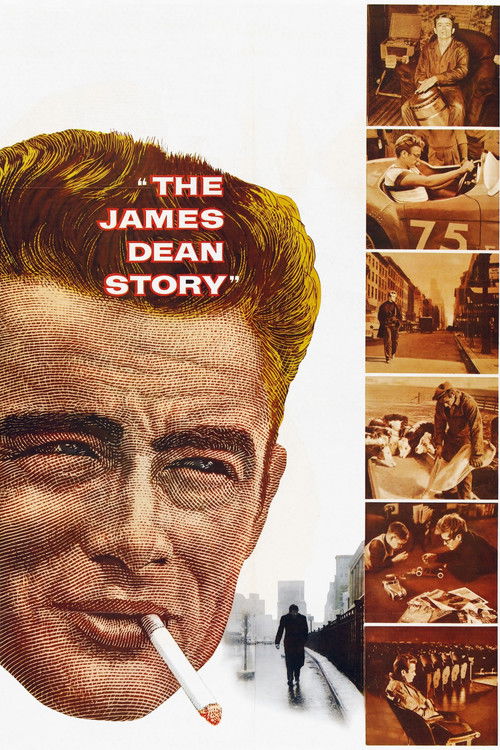
1957

2019

1991
No reviews yet. Be the first to share your thoughts on this movie!
Use the rating form above to leave a star rating and optional review.