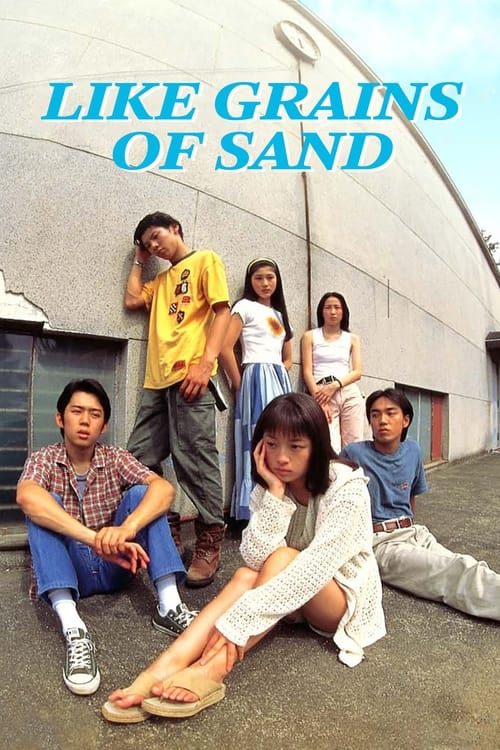
Like Grains of Sand
1995
No user ratings available yet
Representation score: 5.2 out of 10
Representation Score
Limited
2005
Director
Masahiko Nagasawa
Runtime
102 minutes
Average Rating
No ratings yetNew Showbiz Analysis
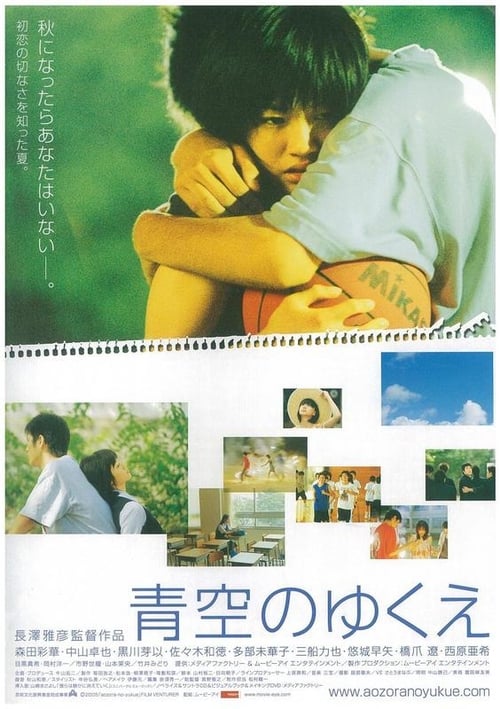
Way of Blue Sky is a traditional coming-of-age drama centered on a male protagonist's impending relocation. The narrative is structured around a romantic mystery, with multiple female characters vying for the lead's attention. While the film provides a platform for various female perspectives, their roles are largely defined by their interactions with the male lead, reinforcing conventional romantic hierarchies. The homogeneous setting and lack of ethnic diversity suggest a limited multi-layered depth. The cross-cultural element of moving abroad serves as a personal transition rather than a broader exploration of cultural identity.
Category Breakdown
The main storyline revolves around a male protagonist and several female characters competing for his affection. There are no queer romantic relationships or non-straight identities portrayed.
Female characters are primarily defined by their relationships to the male lead. The tomboyish Takako offers a minor deviation from typical feminine roles, but the plot still relies on conventional romantic clichés.
The film seems to be set in a homogeneous Japanese environment with no evidence of diverse ethnic backgrounds or multi-layered casting.
The story touches on themes of displacement due to a move to the United States. However, the focus remains on personal emotional experiences rather than broader cross-cultural or systemic critiques.
There is no depiction of characters dealing with physical, neurodivergent, or mental health conditions. The film does not include any representation of disabilities.
Present on Screen
Limited or Absent
Official Synopsis
Masaki is about to move to the U.S. with his parents, much to the dismay of five girls who all like him in different ways. Tomboyish Takako always gives him a hard time; Haruna is a childhood friend; Alisa has fancied him since a shopping trip in nearby Shibuya; Naoko is still readjusting after a long spell in the U.K.; and Yumi ikes practicing basketball with him at night. All wonder who his "special girl" is, but Masaki isn't saying.
1995
2010

2006

1998
2020

2014
2007
2015
No reviews yet. Be the first to share your thoughts on this movie!
Use the rating form above to leave a star rating and optional review.