
Prince Avalanche
2013
No user ratings available yet
Diversity score: 1.4 out of 10
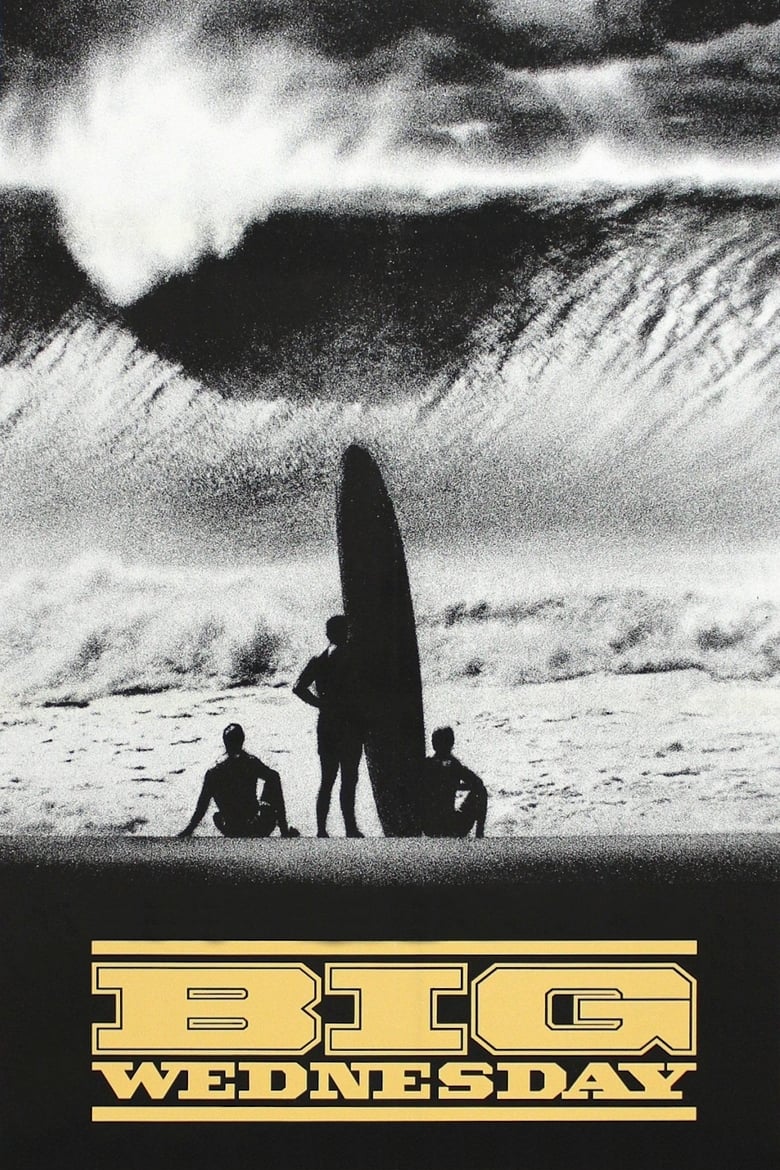
1978
PGDirector
John Milius
Runtime
120 minutes
Average Rating
No ratings yetSynopsis
Three 1960s California surfers fool around, drift apart and reunite years later to ride epic waves.
Overall Score
Minimal
Category Breakdown
LGBTQ+ Representation
The narrative architecture is strictly heteronormative. There is no evidence of non-cisnormative gender identities or same-sex intimacy.
Gender Representation
The film is heavily male-centric, prioritizing the brotherhood of the protagonists. Women occupy the periphery, primarily serving as romantic foils or social accessories.
Racial & Ethnic Diversity
The setting reflects a homogeneous, middle-class white social circle. There is a lack of meaningful inclusion of non-Anglo-Saxon characters within the central social group.
Religious & Cultural Diversity
The film offers a nuanced critique of the establishment and the disruptive nature of the Vietnam War era. It functions as a nostalgic eulogy for American coastal life.
Disability Representation
There are no visible or invisible disabilities portrayed within the central character arcs. The film does not address neurodivergence or physical impairment.
Strengths
Areas for Improvement
AI Analysis
Big Wednesday serves as a period-specific study of traditional masculinity and the erosion of a subcultural identity. It focuses on the tension between individual freedom and the encroaching responsibilities of institutional authority during the 1960s. However, the film relies on a homogeneous cast and adheres to conventional social hierarchies. The narrative is built around a specific masculine archetype, prioritizing nostalgia over systemic deconstruction or intersectional representation. Ultimately, the film presents a localized, culturally specific demographic as the norm, reinforcing traditionalist values rather than exploring diverse social frameworks.
2013

1987

2012

2010
1974

1985
2018
1973

2012
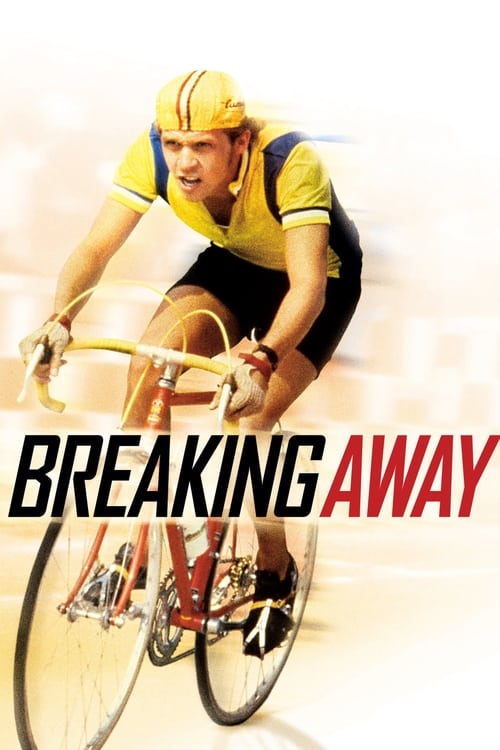
1979

2015

1988
No reviews yet. Be the first to share your thoughts on this movie!
Use the rating form above to leave a star rating and optional review.