Naked
1993
No user ratings available yet
Representation score: 7.9 out of 10
Representation Score
Good
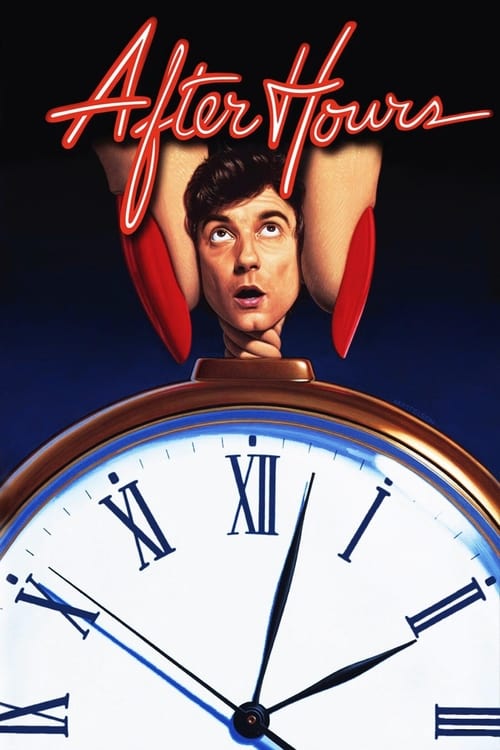
1985
RDirector
Martin Scorsese
Runtime
97 minutes
Average Rating
No ratings yetNew Showbiz Analysis
After Hours upends traditional gender power dynamics by giving Marcy a powerful role in driving the plot, while Paul becomes passive and overwhelmed. This subversion of the typical male-centric narrative structure offers a fresh perspective. The film's depiction of a homogeneous, white, middle-class social circle limits its scope. It reflects the specific socioeconomic context of 1980s New York without broader representation of racial or LGBTQ+ identities. Overall, the film's strength lies in its cultural critique. It effectively dismantles social rituals and highlights the chaos and absurdity inherent in social structures.
Category Breakdown
The film focuses on a relationship between Paul and Marcy that follows traditional heterosexual norms. It does not include explicit representations of non-straight identities or stories that challenge assumptions about straight relationships.
The narrative turns the usual roles upside down by making Marcy the active force driving the story, while Paul becomes passive and overwhelmed. Marcy's strong influence dictates the plot, while Paul's role is diminished.
The setting is in 1980s Soho, where the community is portrayed as predominantly white and middle-class. The film does not highlight perspectives from people of diverse ethnic backgrounds.
The film successfully critiques Western social institutions and rituals. It shows the urban environment and its social structures as confusing and morally ambiguous, challenging the idea of stability.
There are no explicit scenes showing physical or neurodivergent disabilities. However, Paul's intense psychological distress and sensory overload are presented as part of a surreal dream-like experience.
Present on Screen
Limited or Absent
Official Synopsis
Desperate to escape his mind-numbing routine, uptown Manhattan office worker Paul Hackett ventures downtown for a hookup with a mystery woman.
1993
1985
1991
1980
1996

1994
1996

1981
No reviews yet. Be the first to share your thoughts on this movie!
Use the rating form above to leave a star rating and optional review.