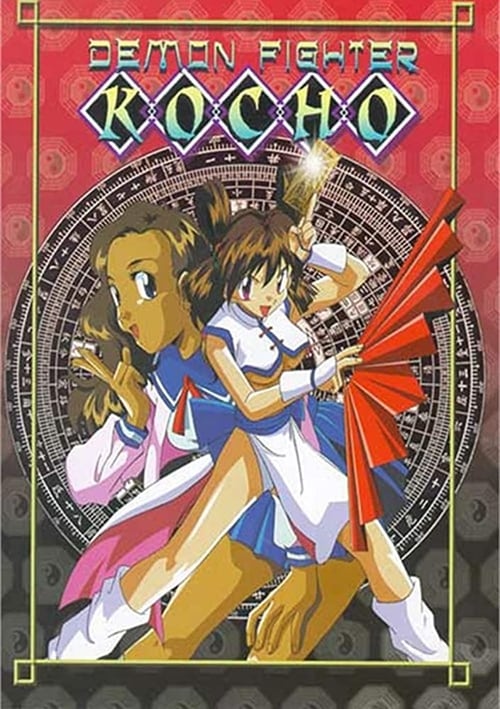
Demon Fighter Kocho
1997
No user ratings available yet
Representation score: 4.8 out of 10
Representation Score
Fair
1995
Director
Akiyuki Shinbo
Runtime
40 minutes
Average Rating
No ratings yetNew Showbiz Analysis
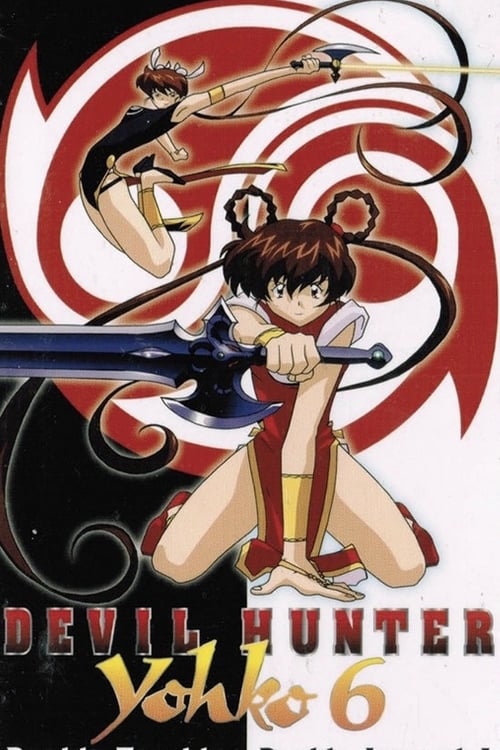
The film 'Devil Hunter Yohko 6: Double Jeopardy' centers its conflict on female protagonists, emphasizing their physical dominance and training. This subverts traditional gender hierarchies. However, the character set appears homogeneous, lacking in racial or ethnic diversity. The narrative also limits its scope to personal histories and individual truths, avoiding broader social representations.
Category Breakdown
The film features characters who mimic or steal romantic interests, suggesting a disruption of traditional relationship dynamics. This complicates singular identity and hints at non-traditional relationship structures.
The story centers on strong female characters who are physically dominant and highly trained. They avoid submissive roles and instead take leading roles in driving the plot.
The story focuses on a localized, homogeneous character set. There is no explicit evidence of multi-layered racial blending or the use of non-human species as ethnic metaphors.
The narrative focuses on personal vendettas and lineage rather than religious conflicts. It emphasizes individual truth and situational ethics over established social structures.
The film provides no specific evidence regarding the portrayal of physical, neurodivergent, or sensory disabilities.
Present on Screen
Limited or Absent
Official Synopsis
Ayako Mano, who is nearly identical in appearance to Yohko, is introduced; she has spent her life training and honing her abilities so that one day she may defeat Yohko and become the devil hunter of the Mano family, and now she is ready for the final confrontation. Yohko continues to live her life and is unaware of Ayako until she starts stealing away every guy that on whom Yohko has a crush. Then one night while taking a bath, Yohko hears something outside and gives chase. She then meets up with an Azusa look-alike. She and Ayako attack the unsuspecting Yohko with crushing attacks, while Yohko parries the onslaught. The fight stops, but Ayako vows to finish it. Madoka reveals a certain part of her past that relates to the encounter.
1997
1988
1987
2012
1990
2012
2009
1990
No reviews yet. Be the first to share your thoughts on this movie!
Use the rating form above to leave a star rating and optional review.