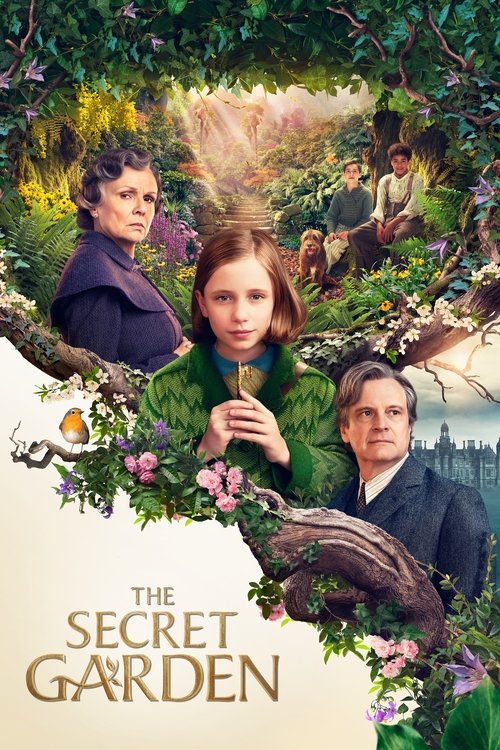
The Secret Garden
2020
No user ratings available yet
Representation score: 5.0 out of 10

Representation Score
Limited
1999
Director
Willard Carroll
Runtime
107 minutes
Average Rating
No ratings yetNew Showbiz Analysis
Tom's Midnight Garden is a faithful period piece that prioritizes historical and literary accuracy over social disruption. The narrative relies on conventional archetypes and a homogeneous demographic profile, which limits its multi-layered depth. The film functions as a nostalgic study of time and memory. While it provides a stable window into a specific mid-century British era, it does not seek to challenge established social hierarchies or provide diverse perspectives. Ultimately, the production adheres to the traditional social structures of its setting, resulting in a narrow representation of the human experience.
Category Breakdown
The film follows a typical coming-of-age storyline focused on childhood discovery. It operates within a framework that assumes everyone is straight and cisgender, with no evidence of queer subtext or non-cisgender identities.
Gender roles are depicted through traditional childhood social dynamics. While Hatty plays a significant role in the magical garden, the narrative remains centered on the male protagonist's experience.
The casting is predominantly homogeneous, reflecting a strictly Anglo-Saxon aesthetic. This reflects the mid-century British setting and lacks intentional integration of diverse ethnic identities.
The story explores nostalgic Western values of domesticity and the family unit. It presents a stable, middle-class environment without engaging in critiques of religion or Western institutions.
A medical condition, measles, serves as a plot catalyst for the protagonist's isolation. However, the illness is a standard device rather than a nuanced exploration of disability.
Present on Screen
Limited or Absent
Official Synopsis
When Tom's brother Peter gets measles, he is sent to stay with his Uncle Alan and Aunt Gwen in a flat with no garden and an elderly landlady, Mrs Bartholomew, living upstairs. Because he may be infectious, he is not allowed to play outside and feels lonely. Without exercise he is less sleepy at night and when he hears the communal grandfather clock strangely strike 13, he investigates and finds the small back yard is now a large sunlit garden.
2020
1988
2000
2007
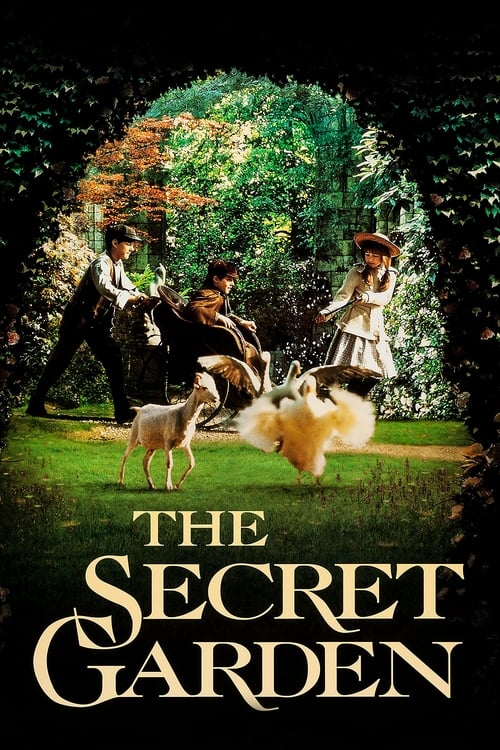
1993
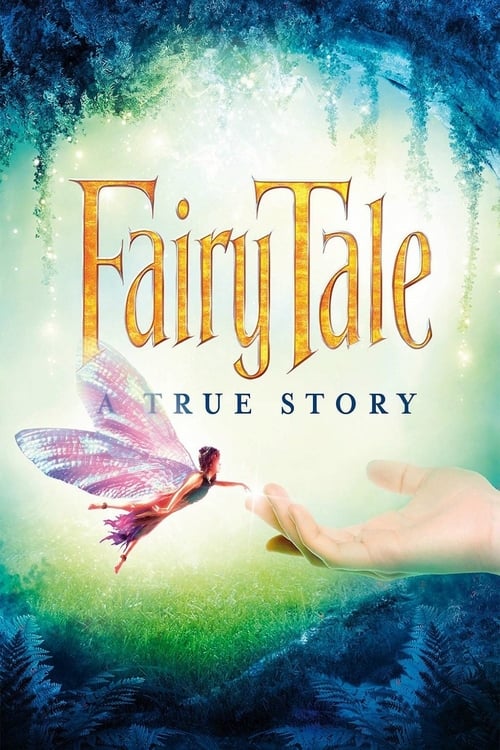
1997
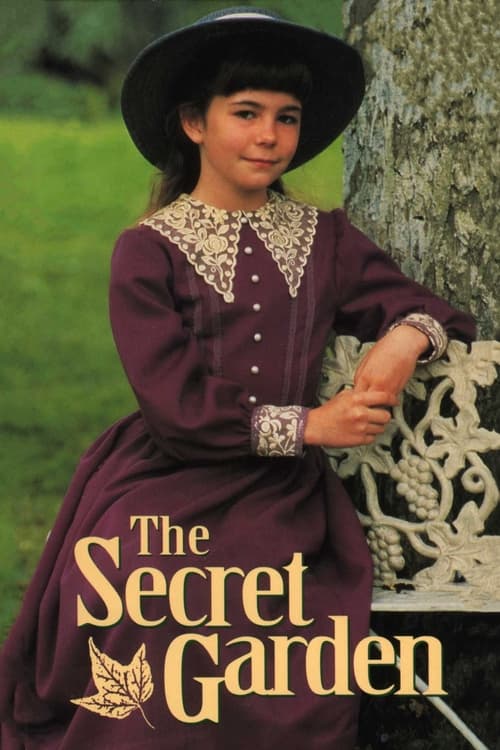
1987
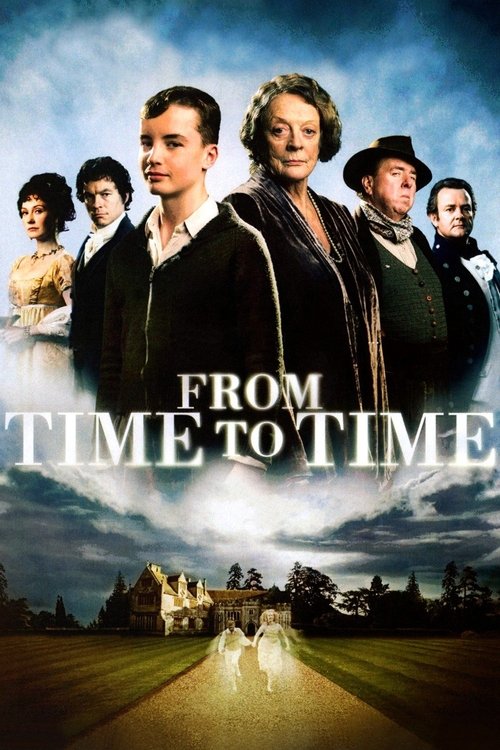
2009
No reviews yet. Be the first to share your thoughts on this movie!
Use the rating form above to leave a star rating and optional review.