Warsaw: Year 5703
1992
No user ratings available yet
Representation score: 5.0 out of 10
Representation Score
Good
1985
RDirector
Agnieszka Holland
Runtime
101 minutes
Average Rating
No ratings yetNew Showbiz Analysis
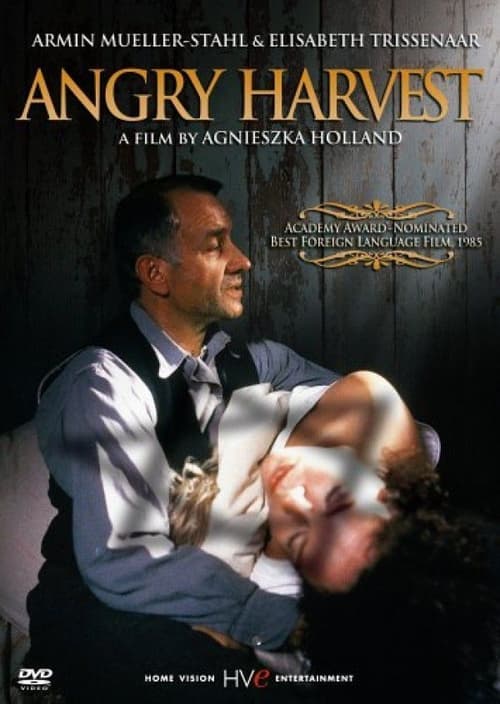
Angry Harvest is a harrowing exploration of moral ambiguity set against the backdrop of Nazi-occupied Poland. It succeeds by avoiding typical heroic stories, instead focusing on the complex, often tragic intersections of religious morality, gendered vulnerability, and ethnic survival. The film's strength lies in its sophisticated critique of established power structures and its refusal to provide simple moral answers. It offers a deep, uncomfortable look at how systemic oppression affects both the underrepresented and the complicit. However, the film's narrow focus on traditional gender and ethnic dynamics limits its representation of other identities. While it handles psychological trauma with depth, it lacks explicit engagement with physical or neurodivergent disabilities.
Category Breakdown
The film does not include any LGBTQ+ characters or stories. Relationships are confined to the traditional male-female dynamic of the 1940s, emphasizing survival interactions between a man and a woman.
The narrative challenges traditional gender roles by highlighting the powerful ability to act of the female protagonist. It delves into the psychological impact of sexual violence and navigating dangerous male dynamics.
Set during the Holocaust, the film highlights ethnic conflicts between Jewish and Catholic communities. Rosa's character offers a detailed look at the Jewish struggle for survival.
The film questions traditional religious and community norms, showing them as inadequate or complicit. It explores how survival can require breaking established social and moral codes.
The film does not explicitly address physical or neurodivergent disabilities. Instead, it focuses on the hidden disability of psychological trauma caused by war and sexual violence.
Present on Screen
Limited or Absent
Official Synopsis
In the winter of 1942-43, a Jewish family leaps from a train going through Silesia. They are separated in the woods, and Leon, a local peasant who's now a farmer of some wealth, discovers the woman, Rosa, and hides her in his cellar. Leon's a middle-aged Catholic bachelor, tormented by his sexual drive. He doesn't tell Rosa he's seen signs her husband is alive, and he begs her to love him. Rosa offers herself to Leon if he'll help a local Jew in hiding who needs money. Leon pays, and love between Rosa and him does develop, but then Leon's peasant subservience and his limited empathy lead to tragedy. At the war's end, a ray of sunshine comes from an unexpected place.
1992
1961
1979
1980

2014

1997
1971

1958
No reviews yet. Be the first to share your thoughts on this movie!
Use the rating form above to leave a star rating and optional review.