
The Queen of Spades
1916
No user ratings available yet
Representation score: 0.9 out of 10
Representation Score
Limited
1982
Director
Igor Maslennikov
Runtime
92 minutes
Average Rating
No ratings yetNew Showbiz Analysis
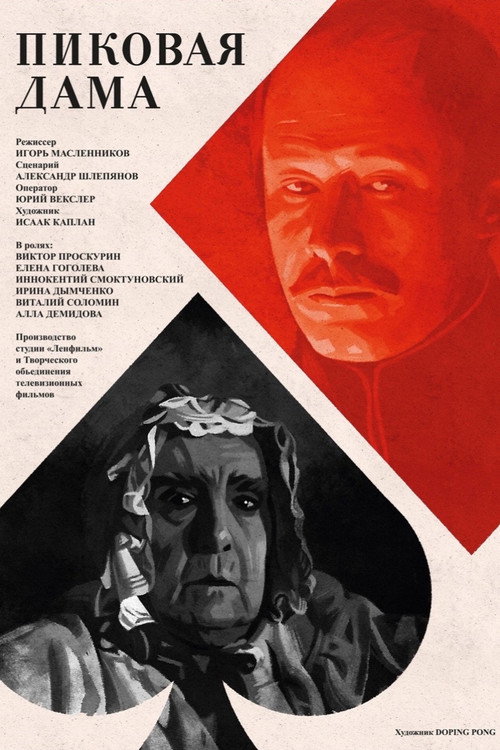
This Soviet-era adaptation of Pushkin’s work prioritizes historical accuracy and psychological realism over modern diversity standards. The film captures the rigid hierarchies and demographic realities of 19th-century St. Petersburg. While it doesn't meet contemporary diversity metrics, it effectively subverts character archetypes. It uses the protagonist's descent into madness to critique the decadent decay and class tensions of the era. Ultimately, the production serves as a period-accurate study of obsession, grounded in the social structures of its time.
Category Breakdown
There are no LGBTQ+ characters or non-cisgender identities in the film. Social and gender roles are strictly defined by the social norms of the Imperial Russian period.
The Countess is a strong, influential woman who plays a key role in driving the central mystery. However, female characters mainly serve as catalysts for the male protagonist's psychological journey.
The cast is ethnically uniform, reflecting the demographics of the Imperial Russian officer class. The production maintains a strict, period-accurate look without intentional diversification.
The narrative highlights the class divide between the aristocracy and the military class, critiquing systemic inequities. It deconstructs the 'honorable officer' archetype through the character of Hermann, who becomes obsessed with a card game.
The film explores themes of mental instability and psychological fragmentation. This portrayal aligns with traditional psychological thriller clichés rather than offering a nuanced depiction of neurodivergence.
Present on Screen
Limited or Absent
Official Synopsis
Hermann is an officer of the engineers in the Imperial Russian Army. He constantly watches the other officers gamble, but never plays himself. One night, Tomsky tells a story about his grandmother, an elderly countess. Many years ago, in France, she lost a fortune at cards, and then won it back with the secret of the three winning cards, which she learned from the notorious Count of St. Germain. Hermann becomes obsessed with obtaining the secret.
1916
1956
1910

1961
1996
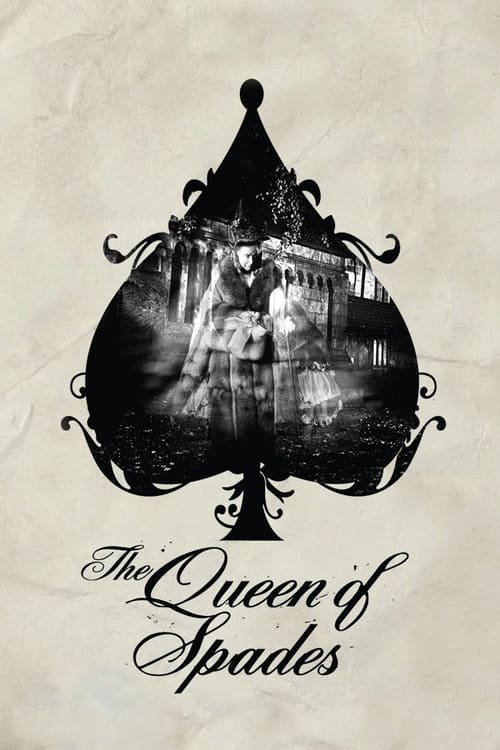
1949
1983

2012
No reviews yet. Be the first to share your thoughts on this movie!
Use the rating form above to leave a star rating and optional review.