
Strawberry Days
2017
No user ratings available yet
Representation score: 3.8 out of 10
Representation Score
Limited
2016
UnratedDirector
Juho Kuosmanen
Runtime
95 minutes
Average Rating
No ratings yetNew Showbiz Analysis
Juho Kuosmanen’s film is a focused exploration of social realism that prioritizes historical accuracy over contemporary identity politics. It captures a specific moment in Finnish history through a humanistic lens, focusing on individuals within a rigid social structure. The narrative challenges some masculine stereotypes by highlighting the protagonist's emotional vulnerability. However, the film remains reflective of its time, mirroring the demographic and social uniformity of the early 1960s. Ultimately, the film opts for organic character development over subversive casting or progressive themes. It is a character-driven drama that explores class and connection rather than systemic deconstruction.
Category Breakdown
The film focuses on a heterosexual relationship set in 1960s Finland and does not include any LGBTQ+ narratives or non-straight relationships.
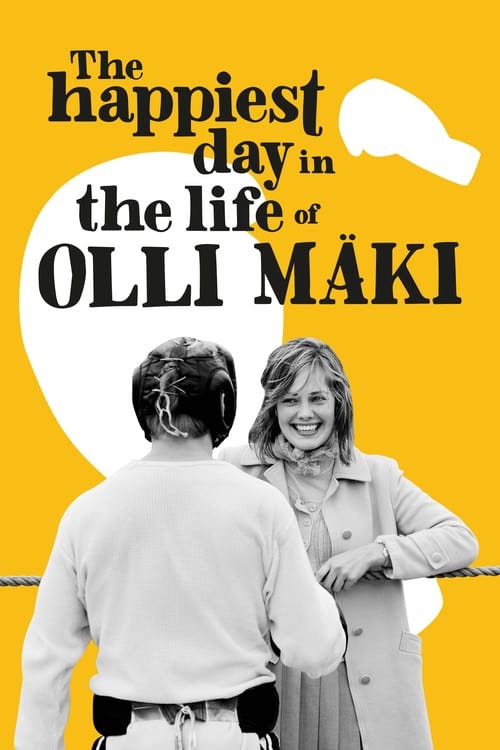
Olli is shown with emotional vulnerability rather than rigid masculine stereotypes. The relationship between Olli and Raija highlights mutual influence, maintaining a realistic historical context.
The cast reflects the homogeneous demographics of 1960s Helsinki. The story centers on the cultural nuances of mid-century Finland with a primarily white cast.
The film presents a secular, humanistic look at working-class life. It examines personal struggles against socioeconomic structures without promoting specific religious beliefs.
There are no prominent depictions of physical or neurological disabilities that play a central role in the story or drive the plot.
Present on Screen
Limited or Absent
Official Synopsis
Summer 1962 and Olli Mäki has a shot at the world championship title in featherweight boxing. From the Finnish countryside to the bright lights of Helsinki, everything has been prepared for his fame and fortune. All Olli has to do is lose weight and concentrate. But there is a problem – he has fallen in love with Raija.
2017

1970

2018
1986
2019

2016

2016

2017
No reviews yet. Be the first to share your thoughts on this movie!
Use the rating form above to leave a star rating and optional review.