
The Fourth State
2012
No user ratings available yet
Diversity score: 4.2 out of 10
2011
Director
Rafael Lewandowski
Runtime
104 minutes
Average Rating
No ratings yetSynopsis
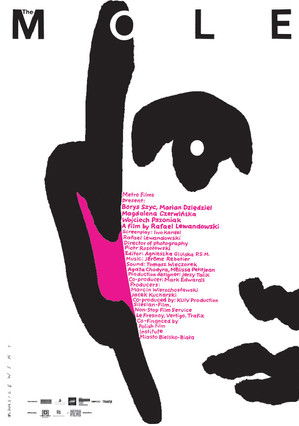
Pawel, a Polish man in his early 30s, makes a living with his father Zygmunt importing second-hand clothing from the North of France to Southern Poland. On his way back from one of regular "business trips", Pawel is shocked to discover his father's picture on the cover of a Polish tabloid newspaper. The headline "traitor" is written next to his name. Zygmunt is a genuine hero of the struggle against totalitarianism and a recognized member of the "Solidarnosc" labor movement of the 80s. But now, Zygmunt is suddenly accused by the paper of having acted as a secret informer called THE MOLE by the communist regime.
Overall Score
Fair
Category Breakdown
LGBTQ+ Representation
The film contains no evidence of LGBTQ+ characters or non-cisnormative identities. It does not engage with critiques of heteronormativity.
Gender Representation
The story centers on a patriarchal lineage between father and son. It lacks the elevation of female agency or subversion of traditional gender hierarchies.
Racial & Ethnic Diversity
The narrative is localized to a specific Polish socio-political context. It focuses on national identity rather than multi-ethnic or intersectional racial dynamics.
Religious & Cultural Diversity
The film explores the deconstruction of historical truth and patriotic narratives. It challenges the legacy of national icons through themes of systemic betrayal.
Disability Representation
There is no mention of physical disabilities, neurodivergence, or mental health conditions as central drivers of the plot.
Strengths
Areas for Improvement
AI Analysis
The Mole is a focused political thriller that prioritizes historical tension and the fragility of reputation over demographic breadth. It succeeds in disrupting conventional heroism by questioning the legacy of a national icon, offering a sophisticated look at the instability of truth. However, the film remains deeply localized within a specific Polish framework. This narrow focus results in a lack of intersectional complexity, as the narrative does not engage with diverse racial, gendered, or LGBTQ+ perspectives. Ultimately, the film functions as a singular exploration of political identity. While it provides a nuanced critique of historical memory, it lacks the broad social representation required for a higher diversity score.
2012
2020

2023
2001

2008
2019
2010
1991
2015
2011
2009
1991
No reviews yet. Be the first to share your thoughts on this movie!
Use the rating form above to leave a star rating and optional review.