
Ura Aka: L'Aventure
2021
No user ratings available yet
Representation score: 5.6 out of 10
Representation Score
Fair
2024
Director
Shinzo Katayama
Runtime
132 minutes
Average Rating
No ratings yetNew Showbiz Analysis
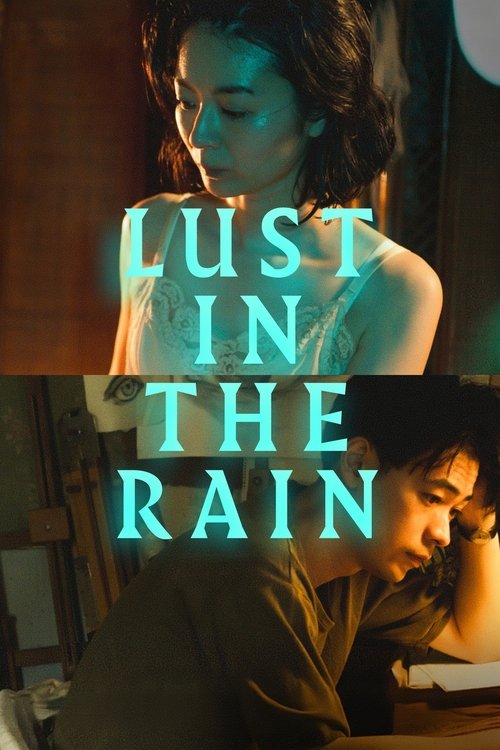
Lust in the Rain is a character-driven drama that emphasizes class conflict and the dismantling of traditional domestic structures. Its strength lies in depicting the tensions between underrepresented individuals and economic institutions. The film effectively portrays economic instability and the formation of unconventional social units, offering a nuanced perspective that diverges from conventional dramatic themes. However, it does not explicitly highlight characters who reflect more than one aspect of diversity, focusing instead on localized class struggles.
Category Breakdown
The film examines non-traditional living situations through the cohabitation of a novelist, a divorced woman, and a struggling artist. Although specific identities are not stated, the breakdown of the nuclear family hints at an interest in unconventional relationships.
Fukuko’s character showcases female independence after her divorce. Moving from a patriarchal household to a shared living space suggests a potential challenge to typical gender roles in domestic settings.
The story focuses on class differences between Kitamachi and Minamicho within a Japanese context. There is no indication of significant racial or ethnic diversity in the narrative.
The plot criticizes established hierarchies and capitalist systems, such as Imori's misleading advertising. Traditional authority and social order are viewed skeptically through characters like the dishonest landlord.
There is no mention of characters with visible or invisible disabilities in the provided narrative.
Present on Screen
Limited or Absent
Official Synopsis
The story centers on Yoshio, a poor and struggling manga artist who lives in Kitamachi. He is sent by Oyaji, the landlord of his apartment who is also engaged in other shady businesses, to help a novelist called Imori move in, and meets a recently-divorced woman named Fukuko. Yoshio is immediately bewitched by her beauty, even though she is already seeing someone else. In the meantime, Imori establishes an advertising agency, borrowing the name of a larger agency from the wealthier Minamicho, in order to sell his novel. Yoshio ends up helping with Imori's efforts, and somehow Imori and Fukuko come to live together with Yoshio.
2021

2009

2020

2022
1998

2024
2011

2005
No reviews yet. Be the first to share your thoughts on this movie!
Use the rating form above to leave a star rating and optional review.