
Colonel Chabert
1994
No user ratings available yet
Diversity score: 2.8 out of 10
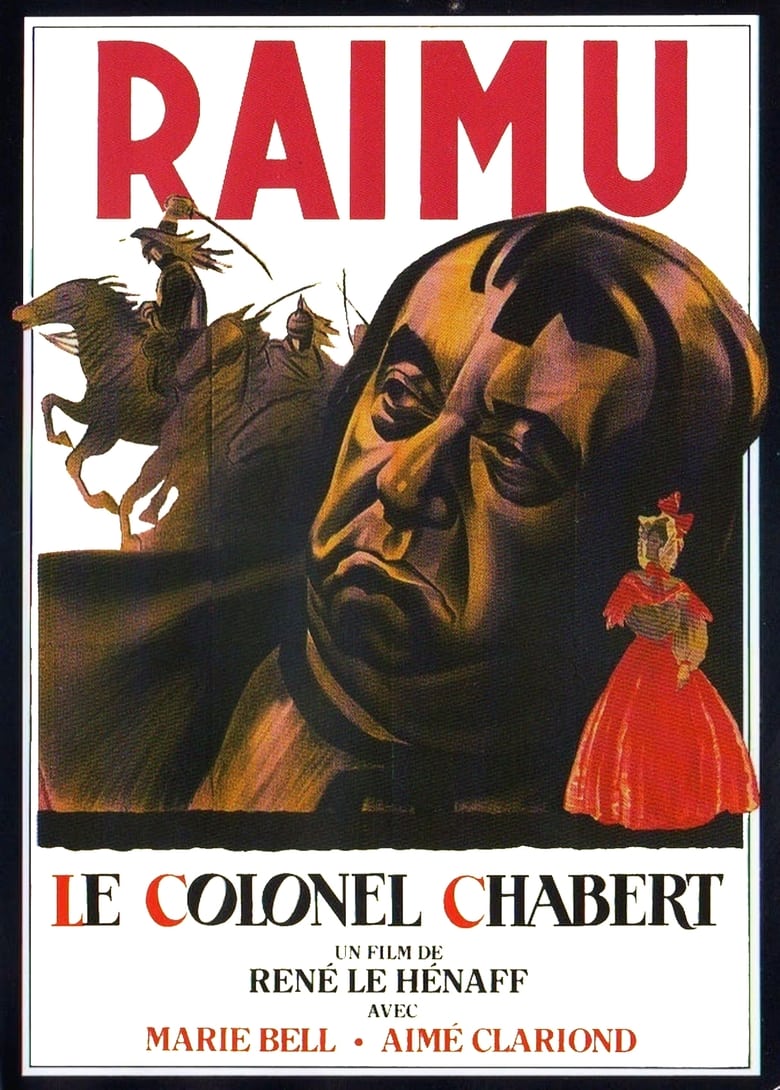
1943
Director
René Le Hénaff
Runtime
98 minutes
Average Rating
No ratings yetSynopsis
The story of a French officer who is assumed dead during the Napoleonic Wars, but returns ten years later to a very different France, both on a political and personal level. The film is based on the novel Colonel Chabert by Honoré de Balzac.
Overall Score
Limited
Category Breakdown
LGBTQ+ Representation
The film adheres to the heteronormative social structures of the Napoleonic and Restoration eras. There is no evidence of non-cisnormative gender identities or same-sex intimacy.
Gender Representation
The plot focuses on the restoration of male honor and social standing. Female characters appear secondary to the central themes of military and social reclamation.
Racial & Ethnic Diversity
The casting and setting reflect the demographic homogeneity of the era. The narrative reflects the Eurocentric focus of the source material and historical social constraints.
Religious & Cultural Diversity
The film explores political friction while remaining rooted in traditional social structures. It engages with the restoration of established social and legal orders.
Disability Representation
There is no evidence suggesting the portrayal of neurodivergence or physical disability as a central thematic element or a tool for agency.
Strengths
Areas for Improvement
AI Analysis
Colonel Chabert (1943) is a traditional period drama that prioritizes historical accuracy and classical narrative tropes. As an adaptation of Balzac’s literature, it functions within the conservative cinematic standards of the mid-20th century. The film centers on the reclamation of male honor and social status within a rigid hierarchy. This focus results in a narrative where male agency drives the plot, while other identities remain largely unrepresented or secondary. Ultimately, the production reflects the demographic and social homogeneity of the Napoleonic era. It does not seek to subvert social norms, instead reinforcing the established orders of the time.
1994
1942

1967
1953
1946
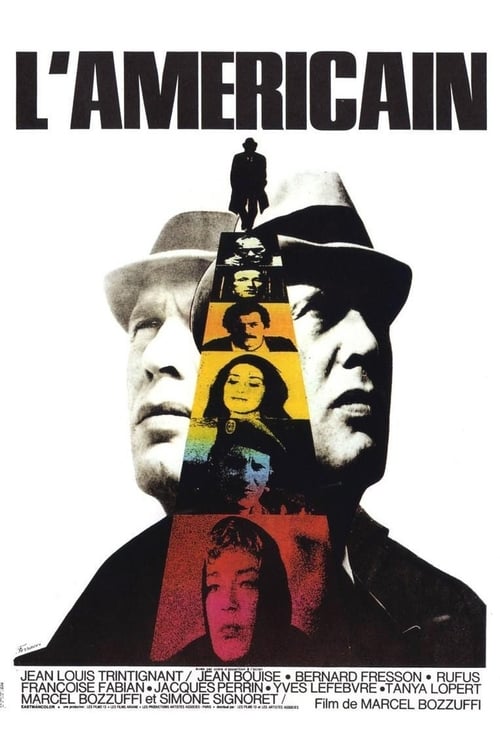
1969
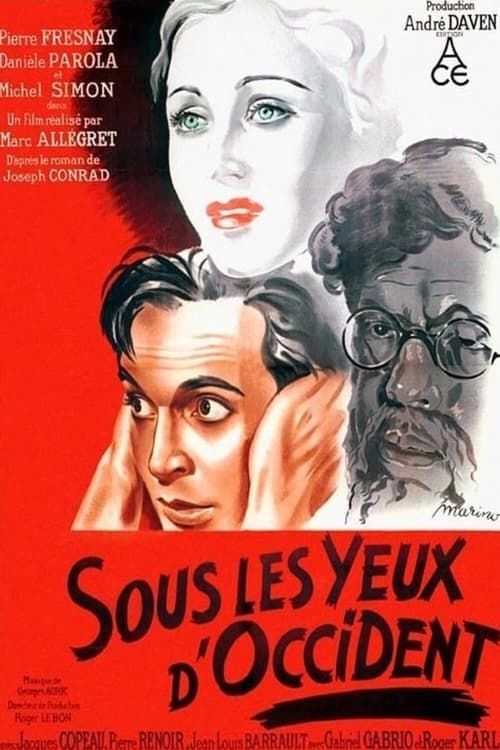
1936
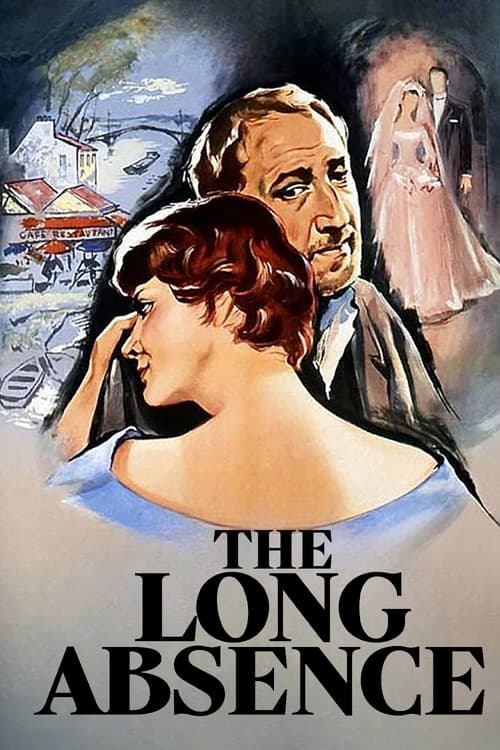
1961

1972

1973
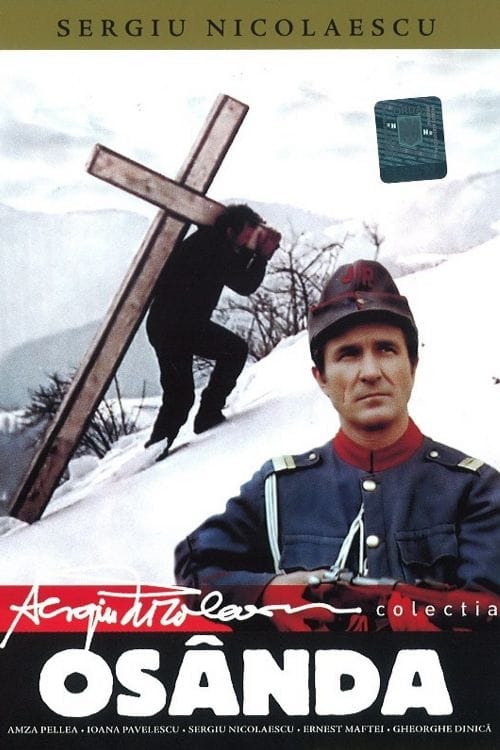
1976

1978
No reviews yet. Be the first to share your thoughts on this movie!
Use the rating form above to leave a star rating and optional review.