
Spies
1943
No user ratings available yet
Representation score: 0.5 out of 10
Representation Score
Minimal
1944
Director
Robert Clampett
Runtime
4 minutes
Average Rating
No ratings yetNew Showbiz Analysis
Booby Traps is a historical artifact that prioritizes wartime instruction over diverse representation. Its narrative structure reinforces existing social and military hierarchies without challenging them. Reflecting its 1944 origins, the film embodies the limited demographic focus and traditional values of mid-century American animation. It primarily serves as a tool for national unity and institutional authority. The film lacks diverse perspectives, focusing instead on a singular, male-dominated military experience typical of the era.
Category Breakdown
The film centers on military discipline and wartime humor. It does not include any LGBTQ+ identities or narratives that question the assumption that everyone is straight.
The story focuses on a male soldier and emphasizes hyper-masculinity. It lacks strong female characters and does not challenge traditional gender roles.
The film reflects the era's Anglo-centric viewpoint. It does not feature diverse casting or roles that deviate from typical racial expectations.
The movie serves as a tool to promote patriotism and respect for military systems. It upholds Western institutions without questioning them.
Private Snafu is portrayed as clumsy and cognitively impaired. His mistakes are used for comedy rather than providing a nuanced look at neurodivergence.
Present on Screen
Limited or Absent
Official Synopsis
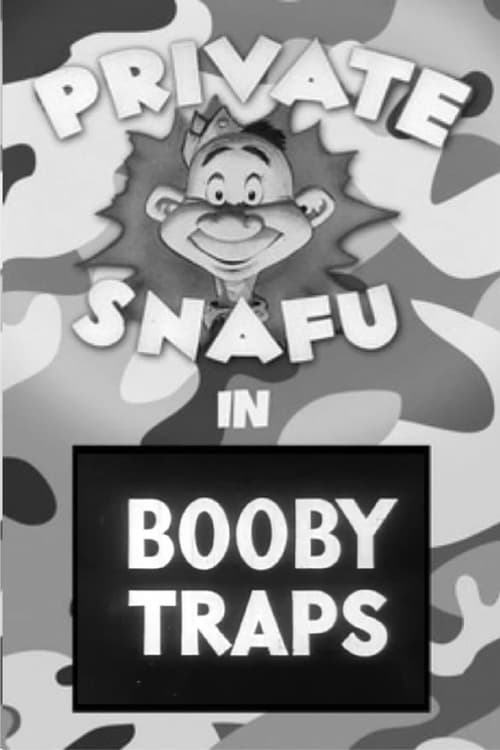
Pvt. Snafu thinks he's too smart to get caught by an enemy booby trap, but he soon finds that the traps are alluring and that he is every bit the booby.
1943
1943
1944
1942
1942
1943
1953
1961
No reviews yet. Be the first to share your thoughts on this movie!
Use the rating form above to leave a star rating and optional review.