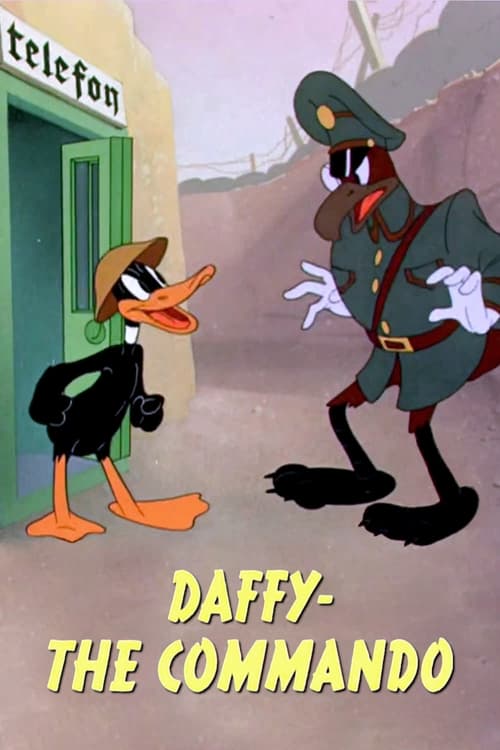
Daffy - The Commando
1943
No user ratings available yet
Representation score: 1.8 out of 10
Representation Score
Minimal
1942
ApprovedDirector
Rudolf Ising
Runtime
7 minutes
Average Rating
No ratings yetNew Showbiz Analysis
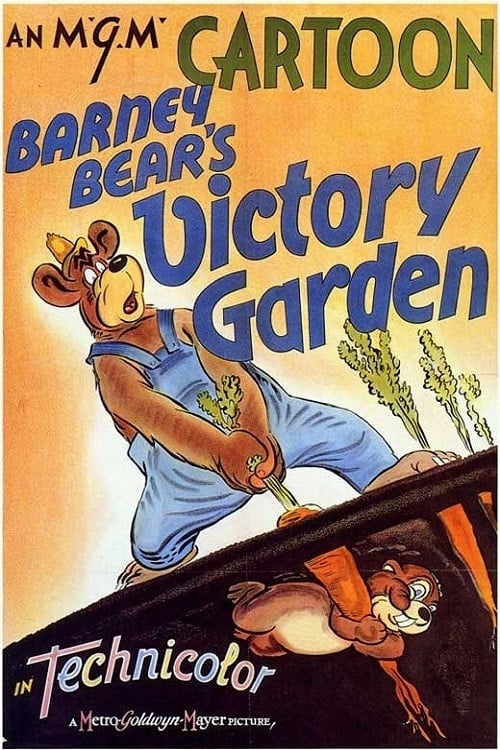
Barney Bear's Victory Garden reflects its 1942 context, designed to reinforce social and political structures of the time. It serves as a tool for cultural unity through patriotic themes rather than progressive representation. The narrative structure emphasizes wartime mobilization and traditional domestic life. By focusing on the individual struggles of an anthropomorphic bear, the film avoids complex social issues and multi-layered themes. Ultimately, the film is constrained by its historical context. It aligns with state-driven war efforts and national stability, presenting a narrow perspective on identity and ability to act.
Category Breakdown
The film doesn't show any non-straight or non-cisgender identities. It focuses solely on Barney Bear's solo journey.
The story centers around a single, traditional male character. There are no female or diverse gender roles, which limits the range of characters' influence.
Using animal characters means there's no meaningful racial or ethnic diversity. The setting highlights a homogeneous domestic scene focused on a single national identity.
The film promotes patriotic Western values through the Victory Garden theme. It emphasizes traditional duties and national service during wartime.
There are no characters with physical, sensory, or neurodivergent conditions. Slapstick humor focuses on environmental obstacles rather than real disabilities.
Present on Screen
Limited or Absent
Official Synopsis
Barney Bear grows a victory garden that a gopher is only too happy to gobble up.
1943
1942
1961
1942
1943
1944

1944

1950
No reviews yet. Be the first to share your thoughts on this movie!
Use the rating form above to leave a star rating and optional review.