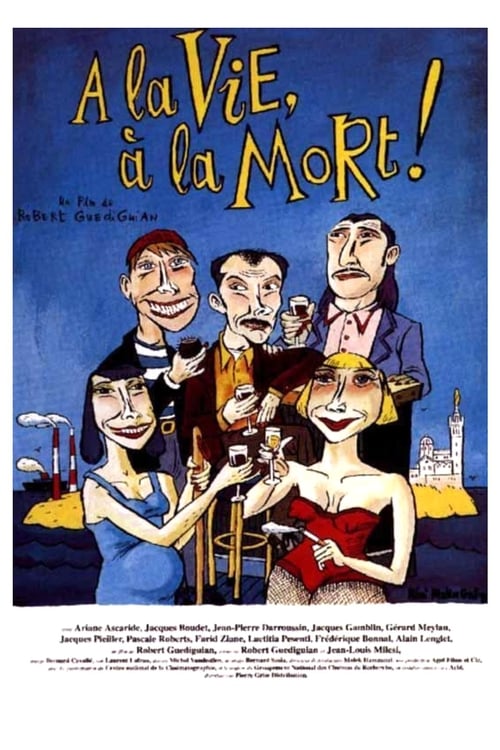
'Till Death Do Us Part
1995
No user ratings available yet
Diversity score: 5.7 out of 10
2000
Director
Robert Guédiguian
Runtime
90 minutes
Average Rating
No ratings yetSynopsis
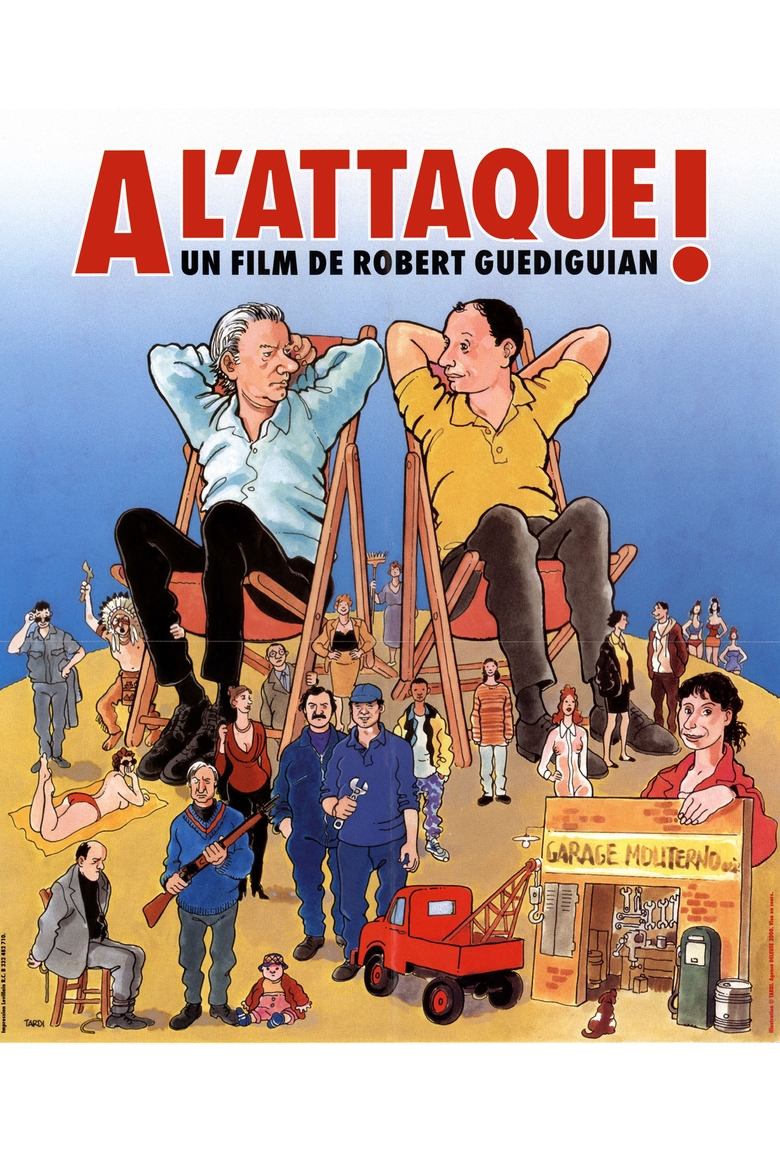
Two friends with very different personalities decide to write a script for a movie. Their discussions and confrontations are constant, but the story slowly takes shape around a poor family that has a small car repair business. Times are hard and will have to fight to prevent a multinational tear down the garage.
Overall Score
Good
Category Breakdown
LGBTQ+ Representation
The film lacks explicit queer visibility or narratives centered on non-cisnormative identities. While it emphasizes communal solidarity, it does not actively critique heteronormativity.
Gender Representation
Women are portrayed as essential agents of community resilience rather than passive domestic figures. This subverts traditional male provider archetypes by highlighting their role in maintaining social stability.
Racial & Ethnic Diversity
Marseille’s multi-ethnic landscape is captured through a diverse proletariat, including characters of North African descent. This approach avoids tokenism by integrating these identities into the central class struggle.
Religious & Cultural Diversity
The narrative offers a robust critique of neoliberal capitalism and Western institutional failures. It prioritizes collective resistance and class solidarity over individualist or state-sanctioned authority.
Disability Representation
There is no significant emphasis on visible or invisible disabilities. The narrative focuses almost exclusively on socioeconomic status and ethnic identity as primary character drivers.
Strengths
Areas for Improvement
AI Analysis
Robert Guédiguian’s film excels at portraying a multi-ethnic working class, using the diverse landscape of Marseille to ground its political themes. By centering characters of North African descent within the labor struggle, the film achieves an authentic, intersectional view of urban life. The film also successfully subverts gender tropes by presenting women as foundational pillars of community strength. This shifts the narrative focus away from traditional male-centric archetypes toward a more complex, communal model of resilience. However, the film lacks meaningful representation for LGBTQ+ identities and does not address disability. While its critique of capitalist hierarchies is sophisticated, these omissions limit its overall breadth of social representation.
1995

2013

2026
2017

2020

1999

2019

2008

2021

2019

2021

2016
No reviews yet. Be the first to share your thoughts on this movie!
Use the rating form above to leave a star rating and optional review.