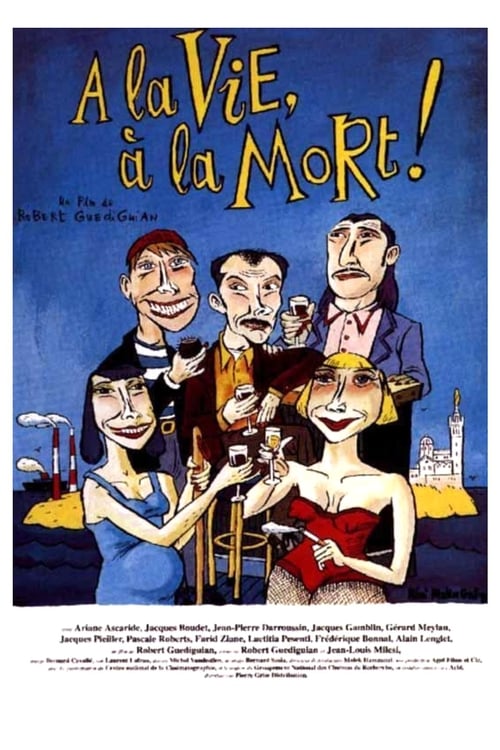
'Till Death Do Us Part
1995
No user ratings available yet
Representation score: 8.1 out of 10

Representation Score
Good
2006
Director
José Corbacho, Juan Cruz
Runtime
94 minutes
Average Rating
No ratings yetNew Showbiz Analysis
Tapas employs an ensemble cast to offer a multifaceted view of a neighborhood. By incorporating immigrant stories and unconventional female roles, the film avoids traditional homogeneity and presents a nuanced social landscape. While the film lacks explicit LGBTQ+ representation, it successfully depicts a multicultural reality. The inclusion of non-European identities within a localized Spanish setting enriches the community's social fabric. Ultimately, the film adopts a humanistic realism approach. It explores complex social and moral issues without relying on standard moralistic clichés or traditional family structures.
Category Breakdown
The film centers on typical romantic relationships and established pairs, with no explicit mention of LGBTQ+ identities or non-straight relationship structures.
The film showcases diverse female experiences, including a woman who defies domestic stereotypes by working as a drug dealer. However, it also addresses traditional domestic conflicts involving estranged wives.
The inclusion of Chinese immigrants as key characters provides a rich portrayal of multicultural urban life, preventing the film from presenting a monolithic Mediterranean setting.
The narrative embraces moral ambiguity by depicting illegal activities and terminal illness without heavy-handed moralizing. It deconstructs the nuclear family by focusing on a loosely connected community.
The story introduces themes of physical vulnerability through a terminally ill husband. It remains unclear if this character has significant control over their situation or if the illness serves mainly as a plot device.
Present on Screen
Limited or Absent
Official Synopsis
The film centers on a Spanish tapas bar and the love lives of the loosely interconnected people in the neighborhood surrounding the bar. The pairs of lovers include a middle aged woman and a young man; an elderly, drug dealing woman and her terminally ill husband in poor health; the tapas bar owner and his estranged wife; and two Chinese immigrants.
1995

1984

2015

2020

2003

2005

2004

2001
No reviews yet. Be the first to share your thoughts on this movie!
Use the rating form above to leave a star rating and optional review.