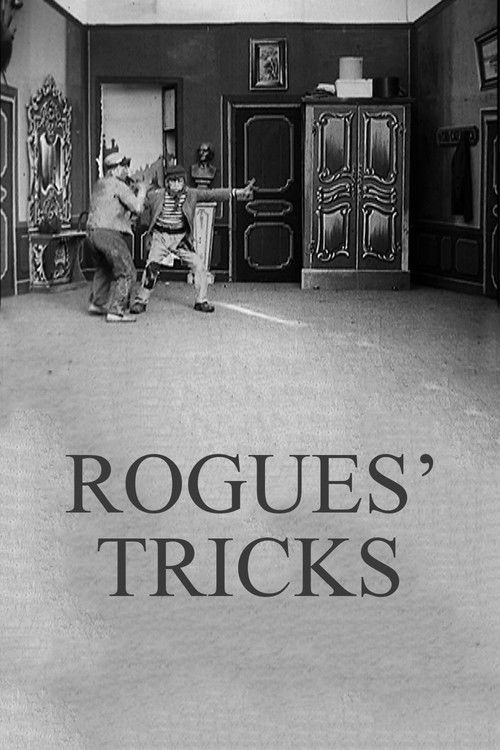
Rogues' Tricks
1907
No user ratings available yet
Representation score: 1.6 out of 10

Representation Score
Minimal
1913
Director
Alfred Machin
Runtime
50 minutes
Average Rating
No ratings yetNew Showbiz Analysis
Alfred Machin's work is a significant historical artifact of early European cinema, known for its technical innovation and high production standards. However, the film operates within the rigid social and demographic structures of 1913. The narrative follows a standard crime cliché centered on individual morality and legal justice. Since the film was produced before contemporary frameworks of identity politics existed, it lacks multi-layered complexity or systemic subversion. Ultimately, the film reflects the homogeneous and conventional social norms of its era rather than attempting to disrupt or re-examine them.
Category Breakdown
The film does not include any characters with non-straight or non-cisgender identities, nor does it depict any same-sex relationships. The plot centers around a traditional crime narrative involving theft and escape.
The production likely adheres to the conventional gender roles of 1913. Women do not occupy roles that require significant intellect or ability to act.
The narrative reflects the homogeneous demographic norms of the early 20th-century European film industry. There is no evidence of diverse casting or racial metaphors.
The story operates within the traditional moral frameworks of early European cinema. It lacks critiques of Western institutions or prioritization of secular values.
There is no verifiable information regarding the inclusion of characters with physical or neurodivergent disabilities.
Present on Screen
Limited or Absent
Official Synopsis
On instructions of the French company Pathé Frères, Alfred Machin develops a film industry in the Netherlands and Belgium from 1912 to the advent of World War One. He directs several quality films including La Fille de Delft, Maudite soit la Guerre and this wonderful gem Le Diamant Noir. A man is accused of theft and decides to quit the country. Machin's favourite pet, the panther Mimir shares the lead roll in this film with a magpie.
1907
1915
1924
1908
1913
1897

1897
1908
No reviews yet. Be the first to share your thoughts on this movie!
Use the rating form above to leave a star rating and optional review.