
Gums
1976
No user ratings available yet
Representation score: 2.0 out of 10
Representation Score
Minimal
1964
Director
Ferenc Leroget
Runtime
75 minutes
Average Rating
No ratings yetNew Showbiz Analysis
The film combines elements of mid-century exploitation genres, following a conventional cause-and-effect structure where scientific negligence results in biological mutation and conflict. The narrative emphasizes traditional, problematic hierarchies. It centers on a male-driven conflict where women play minor roles, lacking a significant role in driving the story or multi-layered complexity. While the film touches on environmental themes, it prioritizes genre spectacle over challenging social or cultural norms.
Category Breakdown
The film does not include any LGBTQ+ characters or narratives. The storyline revolves around a traditional gender conflict between a male monster and female subjects, emphasizing sexual tension.
The story centers on a gendered power struggle where a male antagonist dominates female nudists, portraying women as victims rather than protagonists and reinforcing harmful gender dynamics.
There is no indication of a diverse cast. Given the 1964 setting and Western context, the film likely adheres to the racial homogeneity standards of its time.
The film critiques scientific irresponsibility and environmental neglect, but focuses more on social transgressions within a nudist camp than on deeper institutional issues.
Physical mutation is used solely as a horror plot device. The gardener's transformation is portrayed as an external threat rather than a nuanced depiction of disability or neurodivergence.
Present on Screen
Limited or Absent
Official Synopsis
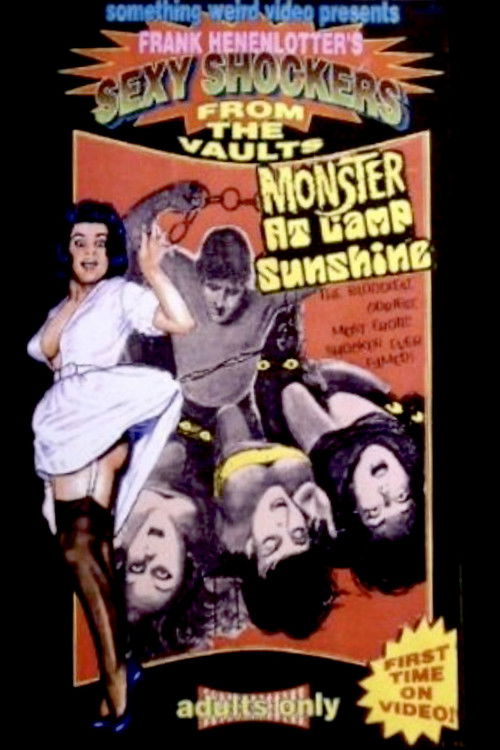
A scientist carelessly dumps some toxic waste into a river. The gardener at a nudist camp drinks the water, turns into a monster and attacks all the (female) nudists.
1976
1966
1973

1984
1977
1964
1972

1962
No reviews yet. Be the first to share your thoughts on this movie!
Use the rating form above to leave a star rating and optional review.