
Lady Dracula
1977
No user ratings available yet
Representation score: 3.9 out of 10
Representation Score
Minimal
1969
Not RatedDirector
William Edwards
Runtime
80 minutes
Average Rating
No ratings yetNew Showbiz Analysis
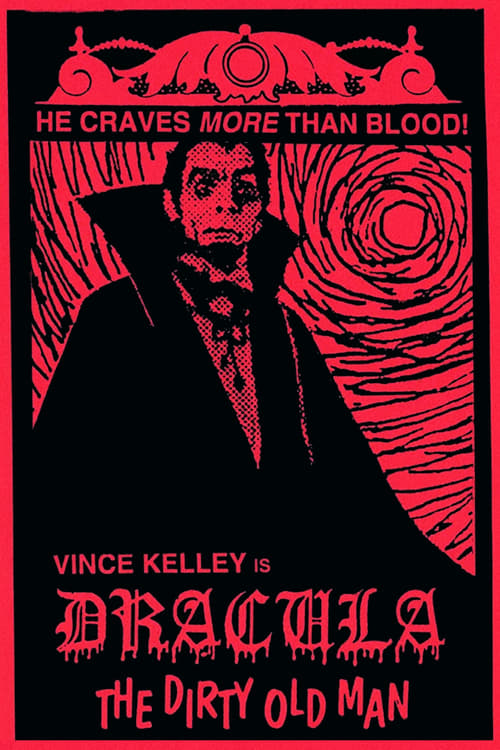
Dracula (The Dirty Old Man) functions as a genre-blending horror-comedy that relies heavily on predatory hierarchies. The narrative structure centers on the exploitation of Dr. Irving Jekyll to facilitate blood harvesting, which limits the scope of the storytelling. The film adheres to mid-century exploitation clichés, particularly regarding the utility of female characters. Instead of providing complex identities, the work uses characters as plot devices to advance the goals of the dominant male figures. Ultimately, the film lacks depth in representing various aspects of identity. It fails to challenge social hierarchies, instead reinforcing traditional clichés that sideline underrepresented groups.
Category Breakdown
The film does not include any LGBTQ+ characters or non-cisgender identities. The story revolves around a traditional, male-dominated power structure.
Women are portrayed mainly as passive blood donors and objects of desire. They serve as resources for the male protagonists rather than having independent roles.
There is no indication of a diverse cast or non-Western perspectives. The setting and character names suggest a conventional Western casting profile.
The story leans into traditional horror clichés and individualistic villainy. It lacks a progressive critique of Western institutions or religious structures.
Lycanthropy is presented as a curse or tool of enslavement rather than a portrayal of disability. No characters with disabilities are shown with significant roles.
Present on Screen
Limited or Absent
Official Synopsis
Dracula enslaves Dr. Irving Jekyll, turning him into the lycanthropic JackalMan, demanding that he lure female blood donors to his L.A. cabin retreat.
1977
1966
1974
1967
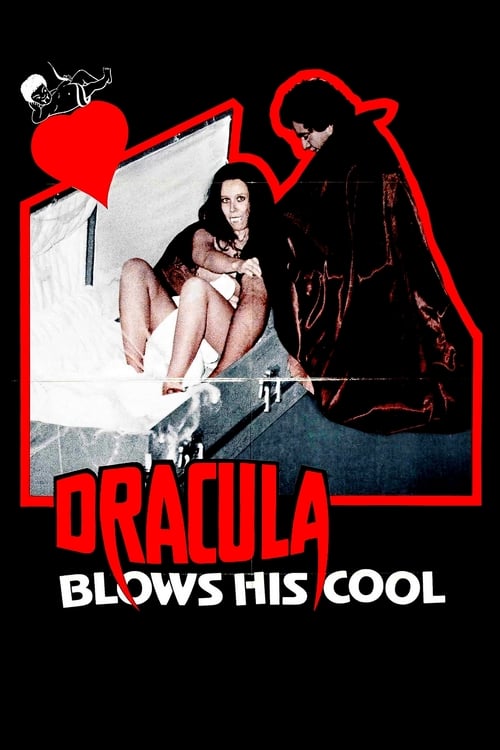
1979
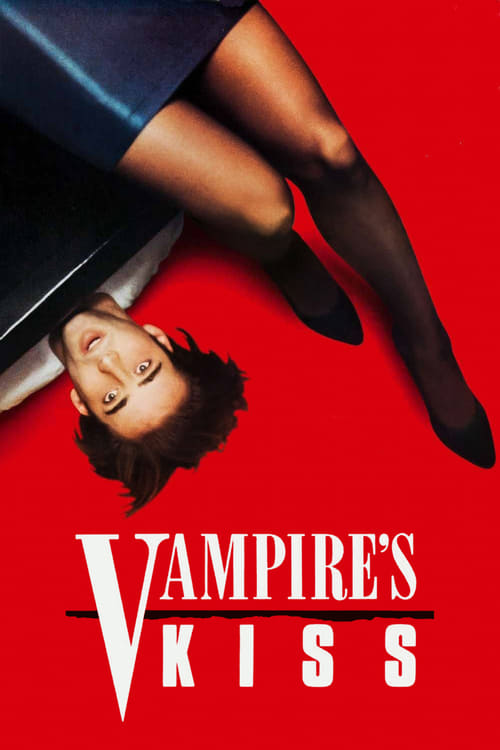
1989
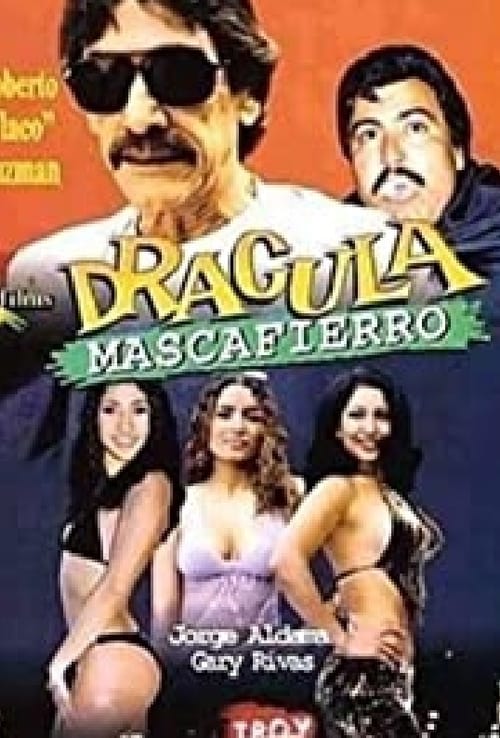
2002
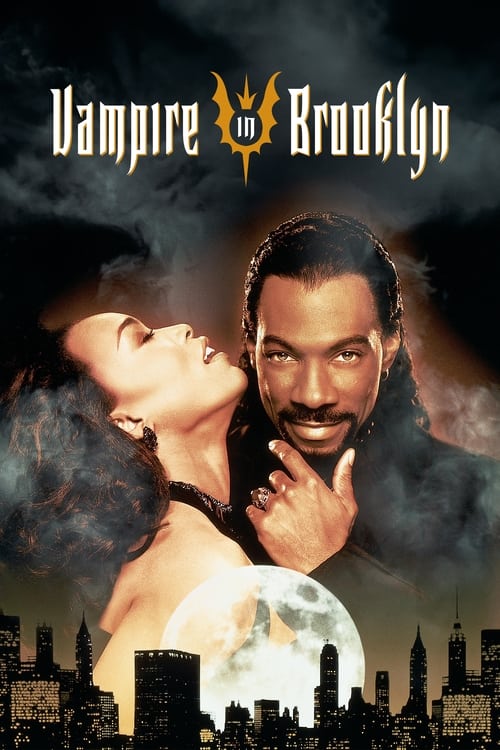
1995
No reviews yet. Be the first to share your thoughts on this movie!
Use the rating form above to leave a star rating and optional review.