The Sabbatical
2015
No user ratings available yet
Representation score: 0.8 out of 10
Representation Score
Fair
2011
Director
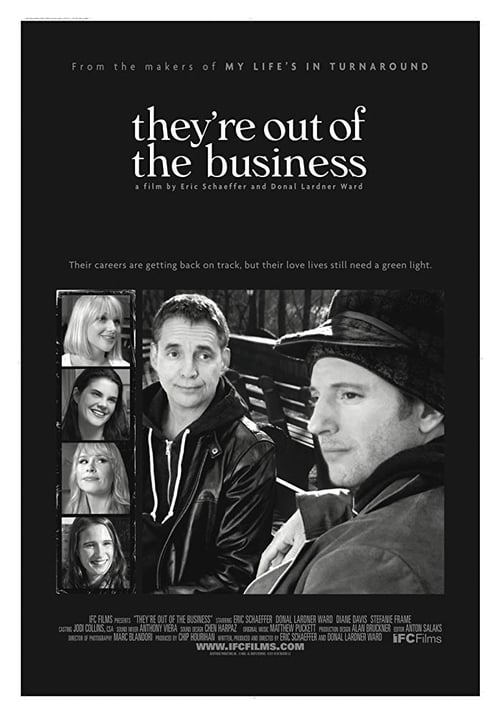
Eric Schaeffer, Donal Lardner Ward
Runtime
89 minutes
Average Rating
No ratings yetNew Showbiz Analysis
This film is a character-driven study that challenges traditional paths to success and stability. It stands out by breaking down traditional masculine hierarchies and delving into the complexities of modern relationships. While the narrative provides a detailed look at identity and personal struggles, it lacks broad demographic representation. The focus remains on the psychological and professional journeys of the two main characters. Overall, the film leans towards situational exploration rather than a wide range of diverse experiences, making it a niche, character-focused indie comedy.
Category Breakdown
The film examines identity through the lens of long-term personal growth and relationships. It follows men as they navigate midlife transitions and the end of old relationships.
The story breaks away from traditional masculine roles by showing men dealing with professional failures. It highlights vulnerability and a move towards domestic life instead of the strong, stoic patriarch.
The movie focuses on a specific urban environment in New York. There is limited diversity within the central characters' journey.
The film questions the traditional path to success and the instability of media institutions. It emphasizes personal emotional truths over the typical capitalist success story.
The film explores themes of professional frustration and midlife crises. However, there is no clear representation of characters with disabilities impacting the storyline.
Present on Screen
Limited or Absent
Official Synopsis
A decade and a half after their seminal indie film launched meteoric filmmaking careers, Splick and Jason find themselves staring at their own individual, pre-midlife crises. Having not spoken to one another since a late-nineties falling out, they're each grappling with the challenges of stalled careers and relationships, as the hands of time creep ominously past forty-o'clock. Splick's most recent TV show, centered around his character's perverse relationship with dessert foods, is unceremoniously cancelled by the network, forcing a return to his childhood bedroom at his mother's apartment in New York. Frustrated by a barrage of comments about the "good," "funny," movies he used to make with his old partner, Jason, Splick determines to seek him out and attempt a reunion.
2015
1975
2015
2005

2019
2001
2014
1996
No reviews yet. Be the first to share your thoughts on this movie!
Use the rating form above to leave a star rating and optional review.