
Elsa & Fred
2005
No user ratings available yet
Representation score: 6.4 out of 10
Representation Score
Fair
2001
RDirector
Juan José Campanella
Runtime
123 minutes
Average Rating
No ratings yetNew Showbiz Analysis
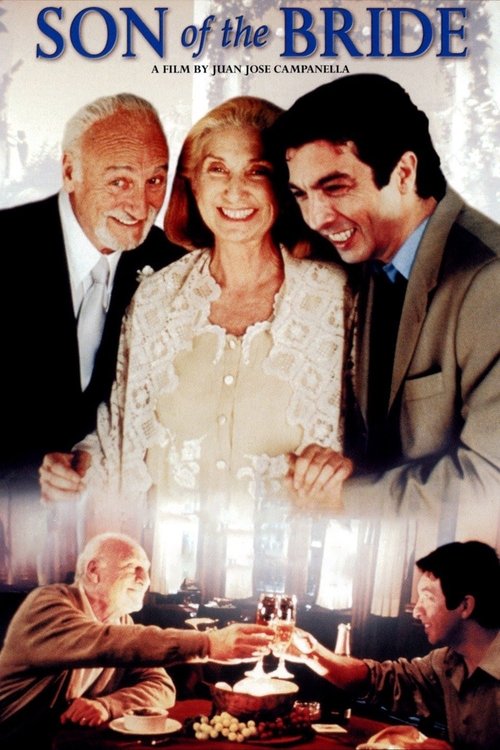
Son of the Bride is a character-driven drama that prioritizes socioeconomic and generational critique over identity-based politics. It excels in its nuanced deconstruction of modern life and the pressures of the nuclear family. While the film lacks demographic breadth in terms of LGBTQ+ and racial diversity, it offers a grounded, realistic portrayal of a specific cultural identity. The narrative avoids caricatures, opting for a sophisticated analysis of how individuals struggle against bureaucratic and economic demands.
Category Breakdown
The film lacks prominent LGBTQ+ characters or storylines. Central romantic and familial arcs are framed within structures that assume everyone is straight or cisgender.
The narrative explores male emotional vulnerability, disrupting the stoic patriarch archetype. However, domestic dynamics largely reflect traditional gender roles and conventional familial hierarchies.
The film provides a localized study of the Argentine middle class in Buenos Aires. Casting reflects a homogeneous demographic consistent with this specific socioeconomic milieu.
The story offers a sophisticated critique of capitalist pressures and the 'rat race.' It deconstructs the idealized nuclear family by portraying elder care and parenthood as significant burdens.
The film provides a poignant look at cognitive decline and the loss of autonomy in the elderly. It treats aging with dignity, focusing on realistic psychological and systemic challenges.
Present on Screen
Limited or Absent
Official Synopsis
At age 42, Rafael Belvedere is having a crisis. He lives in the shadow of his father, he feels guilty about rarely visiting his aging mother, his ex-wife says he doesn't spend enough time with their daughter and he has yet to make a commitment to his girlfriend. At his lowest point, a minor heart attack reunites him with Juan Carlos, a childhood friend, who helps Rafael to reconstruct his past.
2005

2001
1998

1992
2001
1992
1991

2010
No reviews yet. Be the first to share your thoughts on this movie!
Use the rating form above to leave a star rating and optional review.