
The Puffy Chair
2006
No user ratings available yet
Representation score: 5.2 out of 10
Representation Score
Good
2005
RDirector
Steve Buscemi
Runtime
91 minutes
Average Rating
No ratings yetNew Showbiz Analysis
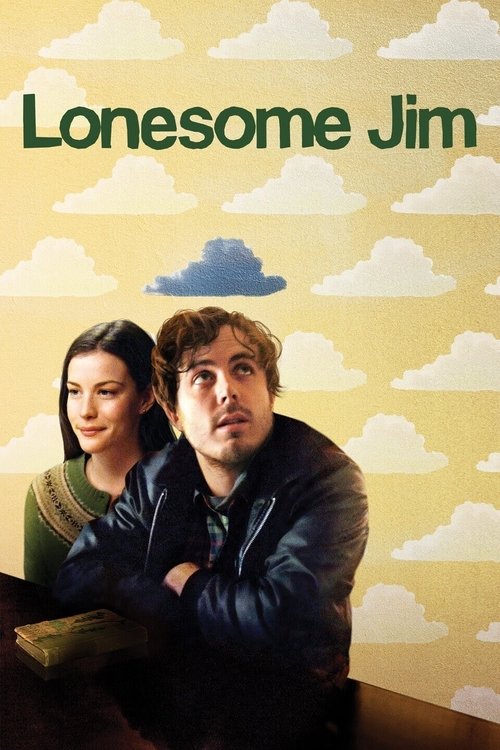
Lonesome Jim functions as a character study that prioritizes psychological realism over broad social diversity. Its primary strength lies in subverting gendered clichés, positioning the female lead as a stabilizing force for the male protagonist's growth. However, the film lacks visible markers of LGBTQ+ identities or queer perspectives, and it leans toward a more traditional, homogeneous American Midwest setting. This absence of diverse representation limits its overall impact as a socially inclusive narrative. Ultimately, the film succeeds in deconstructing the archetype of the 'successful' American by finding value in failure and rural existence, even if it remains narrow in its demographic scope.
Category Breakdown
The narrative focuses on interpersonal dynamics between Jim, his brother, and Anika. There is no explicit evidence of queer identities or non-straight relationships present.
Anika disrupts traditional hierarchies by providing the emotional and intellectual stability Jim needs. She acts as a source of wisdom rather than a passive romantic interest.
The Midwest setting and family-centric plot suggest a potentially homogeneous demographic. There is no mention of a multi-ethnic cast or diverse racial backgrounds.
The film challenges Western ideals of upward mobility by centering a protagonist who finds meaning in rural life after failing in the city. It also explores complex familial dysfunction.
The plot involves physical and psychological trauma following a car accident. While the narrative engages with instability, it is unclear if characters have true control over their situations related to disability.
Present on Screen
Limited or Absent
Official Synopsis
After failing to find success as a writer in New York City, Jim slinks back to his family's home in the Midwest to lick his wounds. But his visit is quickly complicated when his angst spreads to his brother, Tim, who promptly decides to drive his car straight into a tree. Under the shadow of his sibling's injurious actions, Jim strikes up an unlikely friendship with Anika, whose centered small-town wisdom gradually rubs off on him.
2006

2007

2007
1999
2005
1995
2008

2002
No reviews yet. Be the first to share your thoughts on this movie!
Use the rating form above to leave a star rating and optional review.