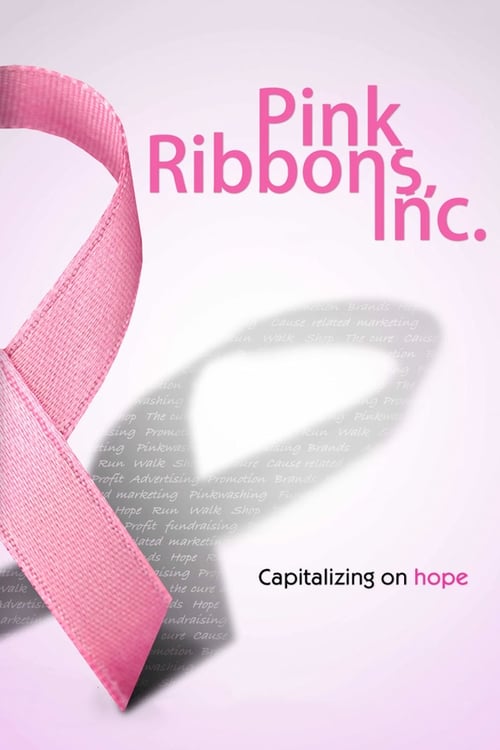
Pink Ribbons, Inc.
2011
No user ratings available yet
Diversity score: 6.4 out of 10

2011
Not RatedDirector
Susan Saladoff
Runtime
85 minutes
Average Rating
No ratings yetSynopsis
Most people think they know the "McDonald's coffee case," but what they don't know is that corporations have spent millions distorting the case to promote tort reform. HOT COFFEE reveals how big business, aided by the media, brewed a dangerous concoction of manipulation and lies to protect corporate interests. By following four people whose lives were devastated by the attacks on our courts, the film challenges the assumptions Americans hold about "jackpot justice."
Overall Score
Good
Category Breakdown
LGBTQ+ Representation
The film maintains a neutral stance regarding queer identities. It lacks specific LGBTQ+ character arcs, focusing instead on legal mechanics and socioeconomic struggles.
Gender Representation
The narrative centers on a woman's agency against institutional opposition. It highlights her intellectual resilience, countering reductive media caricatures of her character.
Racial & Ethnic Diversity
The focus remains on class and corporate power rather than explicit racial diversity. The narrative prioritizes the socioeconomic disparity between individuals and massive corporations.
Religious & Cultural Diversity
The documentary offers a profound critique of Western legal institutions and late-stage capitalism. It exposes how capital influences the judicial system to protect corporate hegemony.
Disability Representation
The film provides a nuanced look at physical injury and its long-term consequences. It grants the injured party agency rather than using disability as an emotional device.
Strengths
Areas for Improvement
AI Analysis
Hot Coffee is a sophisticated investigative documentary that shifts the focus from a simple personal injury claim to a systemic critique of corporate influence. It succeeds by deconstructing how media and big business manipulate public perception to drive tort reform. The film's strength lies in its ability to grant agency to its subjects, particularly the female protagonist and the injured plaintiffs. It avoids sentimental tropes, instead framing their struggles as essential pursuits of legal accountability. However, the documentary's narrow focus on legal and socioeconomic structures results in a lack of explicit representation for various identity-based demographics. While it critiques systemic power, it does not center diverse racial or LGBTQ+ narratives.
2011
2019
2021

2017

2021

2018

2022
2007

2018

2012

2017
2016
No reviews yet. Be the first to share your thoughts on this movie!
Use the rating form above to leave a star rating and optional review.