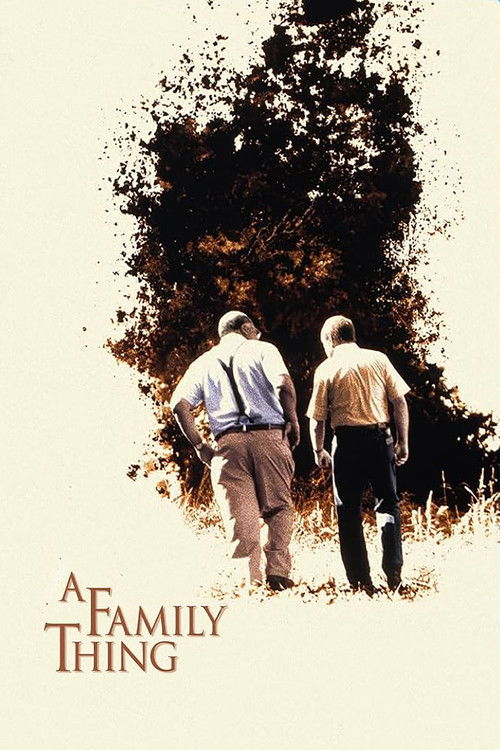
A Family Thing
1996
No user ratings available yet
Representation score: 6.2 out of 10
Representation Score
Fair
2006
PG-13Director
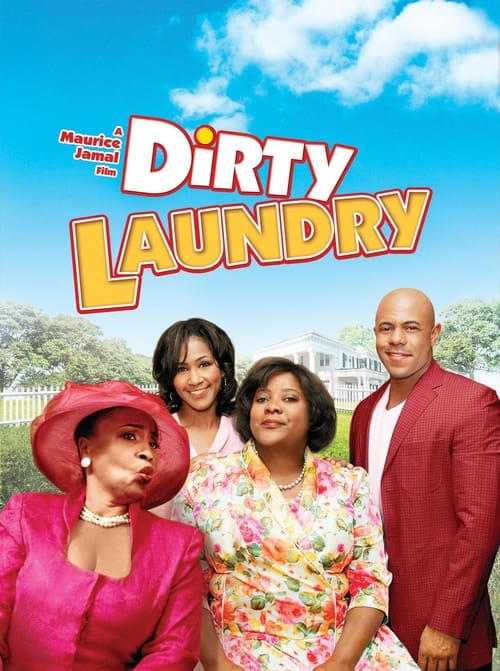
Maurice Jamal
Runtime
100 minutes
Average Rating
No ratings yetNew Showbiz Analysis
Dirty Laundry is a domestic drama that deconstructs familial hierarchies through conflict rather than stability. It avoids idealized clichés, focusing instead on the friction between individual desires and inherited responsibilities. The film finds its strength in its refusal to sanitize family life, exploring complex, unvarnished human dynamics through a protagonist who resists fatherhood and a matriarch who lacks traditional nurturing qualities. However, the film lacks breadth in its representation, with no LGBTQ+ identities or disability-related narratives, which limits the scope of its social commentary and keeps the focus strictly on a specific domestic struggle.
Category Breakdown
The story centers on biological kinship and the complexities of fatherhood. There are no visible LGBTQ+ characters or identities that challenge traditional heterosexual norms.
Evelyn challenges traditional gender roles by acting as an abrasive, inflexible matriarch rather than a submissive figure. This portrayal disrupts the typical patriarchal authority within the home.
The film engages with Black identity through its setting and the inclusion of James Baldwin’s philosophy. It explores the socio-cultural pressures of living authentically within a specific racial context.
The story critiques the sanctity of the nuclear family by prioritizing individual autonomy. It replaces traditional domestic virtues with a raw depiction of human dysfunction and moral relativism.
The provided material contains no mention of characters navigating physical, neurodivergent, or mental health disabilities.
Present on Screen
Limited or Absent
Official Synopsis
After ten years, Sheldon returns from New York City to Paris, Georgia. His mother Evelyn, a laundress who is stubborn, ornery, opinionated, mean-spirited, insulting, and inflexible, has sent a ten-year-old boy who says he's Sheldon's son up to see Sheldon. Sheldon comes home to straighten things out. Old arguments flare up - between mother and son and between brothers. Sheldon wants no part of fatherhood or family. Then, someone else from New York shows up at Evelyn's door, bringing a new set of challenges. Will this family ever stop airing its dirty laundry? And what of Sheldon: where is his pride? Can he, in the words of James Baldwin, go where his blood beats and live the life he has?
1996

2006
2019

2017
2006
2023
2009
2003
No reviews yet. Be the first to share your thoughts on this movie!
Use the rating form above to leave a star rating and optional review.