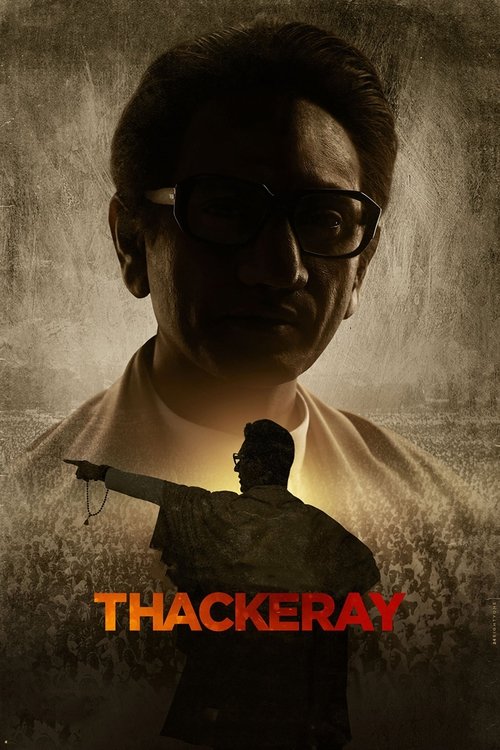
Thackeray
2019
No user ratings available yet
Representation score: 2.7 out of 10
Representation Score
Fair
2024
Director
Siddharth P. Malhotra
Runtime
132 minutes
Average Rating
No ratings yetNew Showbiz Analysis
Maharaj is a historical drama that deconstructs institutionalized religious authority in 19th-century India. It centers the conflict on a journalist's pursuit of truth against a powerful religious figure, effectively challenging established social dogmas. The film's primary strength lies in its interrogation of systemic power and its commitment to highlighting the autonomy of those underrepresented by traditional hierarchies. By focusing on the misuse of power over women, the story subverts traditional gender dynamics. However, the narrative lacks engagement with LGBTQ+ or disability themes. While it provides a robust social critique of patriarchy and religious authority, these specific areas of representation remain unaddressed.
Category Breakdown
The film focuses on the socio-religious hierarchies of 1862 Bombay and does not include any queer narratives or non-straight identities.
The story centers on the struggle for women's autonomy and criticizes patriarchal structures. It highlights the exploitation of women within religious institutions to emphasize the need for independence.
The film features a predominantly South Asian cast set during British occupation. It explores the interaction between indigenous social structures and colonial presence through a post-colonial perspective.
The film offers a sophisticated critique of religious institutions, presenting them as potential sites of corruption. It prioritizes secular truth and journalistic integrity over unquestioned religious doctrine.
There is no significant depiction of physical or neurodivergent disabilities within the film's historical context.
Present on Screen
Limited or Absent
Official Synopsis
Based on a real-life historic court case, a bold journalist questions a revered leader's immoral behavior.
2019

2019
2017
2018
2019
2015

2025
2016
No reviews yet. Be the first to share your thoughts on this movie!
Use the rating form above to leave a star rating and optional review.