
All Night Long: Anyone Would Have Done
2009
No user ratings available yet
Representation score: 1.5 out of 10

Representation Score
Minimal
1986
Director
Gô Ijuuin
Runtime
67 minutes
Average Rating
No ratings yetNew Showbiz Analysis
The Sacrifice 2 operates within the transgressive framework of pink film, emphasizing extreme horror and exploitation clichés over meaningful representation. The narrative structure revolves around predatory power dynamics and the victimization of women, which hinders any meaningful subversion of traditional gender roles. The film centers on a narrow, homogeneous domestic context without exploring multi-layered identities. The focus remains on individual psychological breakdown and social transgression rather than broader socio-political or cultural critiques. Ultimately, the film's reliance on regressive clichés and lack of diverse character archetypes results in a low diversity profile.
Category Breakdown
The film does not include any explicit LGBTQ+ characters or explore non-straight relationships. It focuses solely on a heterosexual couple and the exploitation of female characters.
The story reinforces outdated gender hierarchies by victimizing women. The male protagonist eventually becomes predatory, treating female characters as passive victims of trauma.
Given its 1986 Japanese production, the cast appears homogeneous. There are no indications of diverse casting or efforts to challenge historical racial norms.
The film explores moral decay and the subversion of interpersonal ethics. It focuses on individual pathology and transgressions without critiquing broader socio-cultural institutions.
The film does not feature any characters with physical, sensory, or neurodivergent disabilities.
Present on Screen
Limited or Absent
Official Synopsis
A young man and his girlfriend are driving in the countryside when their car breaks down. When they go and seek help from a nearby house they are taken prisoner by the owner who, unfortunately for them, is into bondage, torture and sexual assault. The young man soon become entranced by the abuse of his girlfriend and offers to become an apprentice. Together they seek out more women to practice on.
2009

1969

1986
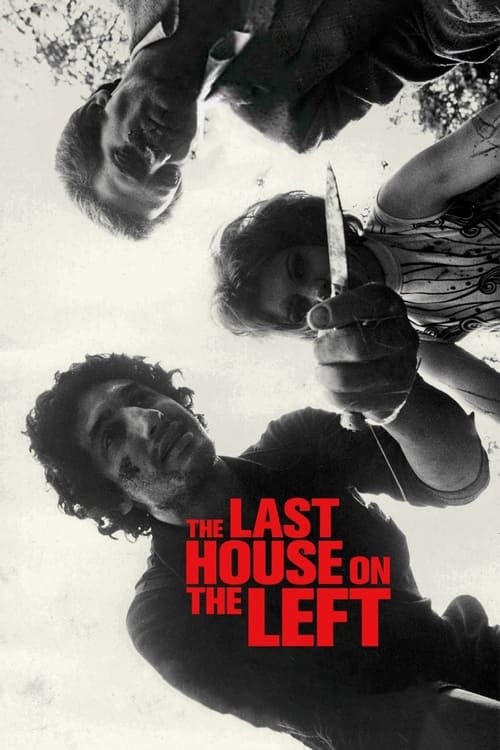
1972

1984

2010

1985

1974
No reviews yet. Be the first to share your thoughts on this movie!
Use the rating form above to leave a star rating and optional review.