
Torment of the Flesh
1965
No user ratings available yet
Representation score: 1.4 out of 10
Representation Score
Minimal
1974
RDirector
Curtis Harrington
Runtime
95 minutes
Average Rating
No ratings yetNew Showbiz Analysis
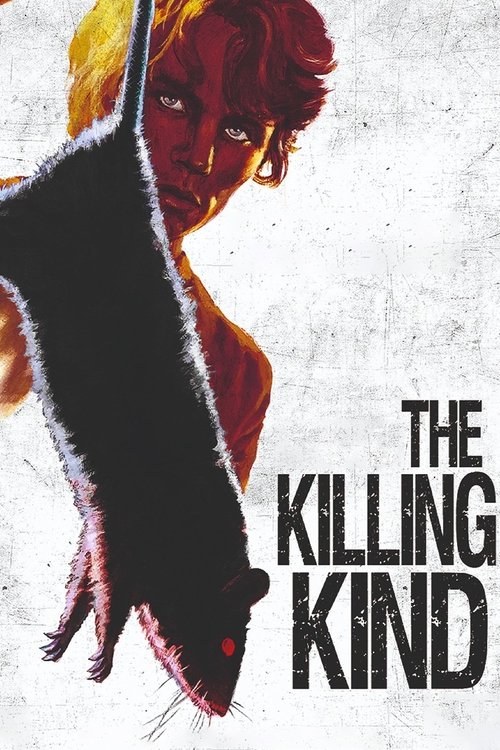
The Killing Kind is a traditional 1970s psychological horror film that centers on individual psychological issues rather than social critiques. The narrative emphasizes interpersonal conflict rather than exploring identity politics or systemic power dynamics. Since the film adheres to the demographic standards of its time, it lacks depth in representing diverse identities. The storytelling remains focused on a narrow, homogeneous social framework. Overall, the film serves as a genre piece that does not aim to challenge or dismantle conventional social hierarchies.
Category Breakdown
The film does not include any LGBTQ+ characters or non-cisgender identities. Relationships are centered around heterosexual norms throughout the story.
The story explores the power imbalance between a female protagonist and a male antagonist. It follows traditional genre conventions rather than challenging gender hierarchies.
The film features a predominantly white cast, reflecting the cinematic norms of 1974. There is a lack of racial or ethnic diversity in the setting.
The film focuses on character development within a typical small-town socioeconomic context. It does not promote anti-religious or anti-Western sentiments.
There are no prominent depictions of physical or neurodivergent disabilities. Characters with disabilities are not used as central plot devices or subjects of ridicule.
Present on Screen
Limited or Absent
Official Synopsis
A young man returns home to his mother's boardinghouse after serving a prison sentence for a gang rape he was forced to participate in. He seeks revenge on his lawyer and the girl who framed him.
1965
1978
1968
1977
1986

1972
1980
2009
No reviews yet. Be the first to share your thoughts on this movie!
Use the rating form above to leave a star rating and optional review.