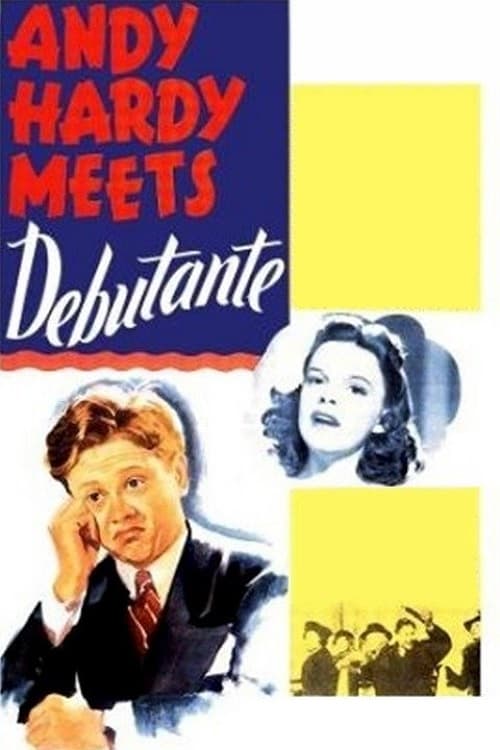
Andy Hardy Meets Debutante
1940
No user ratings available yet
Representation score: 0.4 out of 10
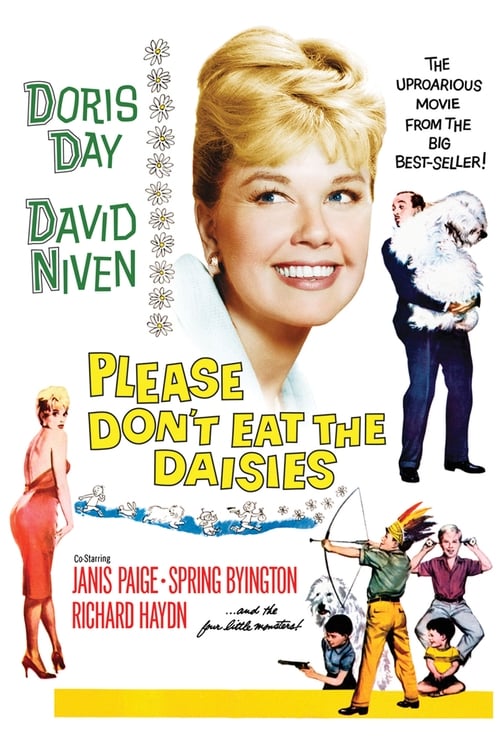
Representation Score
Minimal
1960
NRDirector
Charles Walters
Runtime
112 minutes
Average Rating
No ratings yetNew Showbiz Analysis
Please Don't Eat the Daisies is a typical mid-century domestic comedy that reinforces the social norms of the 1960s. The film centers on a traditional nuclear family moving from Manhattan to the suburbs, emphasizing straight-centered relationships and established social customs. The movie offers a homogeneous view of life, excluding diverse racial, ethnic, and LGBTQ+ identities. While it explores the complexities of infidelity, it does so without critiquing systemic issues. Ultimately, the film presents a period-specific portrayal of Western domesticity without challenging the status quo.
Category Breakdown
The film assumes everyone is straight and cisgender, with no representation of LGBTQ+ identities or non-binary gender expressions.
The female lead has some independence but her story remains tied to traditional domestic roles. The male protagonist holds the main narrative power.
The film features a predominantly white, upper-middle-class cast, reflecting a narrow perspective on suburban and urban life.
The story upholds traditional Western values, focusing on the nuclear family and conventional social norms of the time.
There is no depiction of physical, sensory, or neurodivergent disabilities among the main characters.
Present on Screen
Limited or Absent
Official Synopsis
Drama critic Larry Mackay, his wife Kate and their four sons move from their crowded Manhattan apartment to an old house in the country. While housewife Kate settles into suburban life, Larry continues to enjoy the theater and party scene of New York.
1940
1958
1955
1954
1949
1967
1953
1944
No reviews yet. Be the first to share your thoughts on this movie!
Use the rating form above to leave a star rating and optional review.