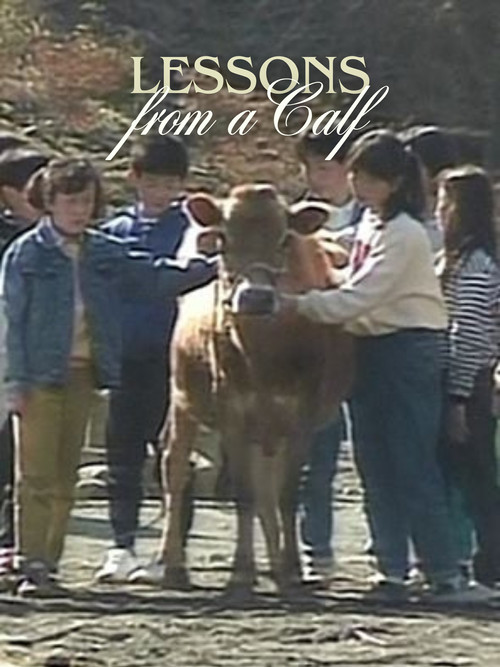
Lessons from a Calf
1991
No user ratings available yet
Representation score: 2.4 out of 10
Representation Score
Limited
1976
Director
Abbas Kiarostami
Runtime
17 minutes
Average Rating
No ratings yetNew Showbiz Analysis
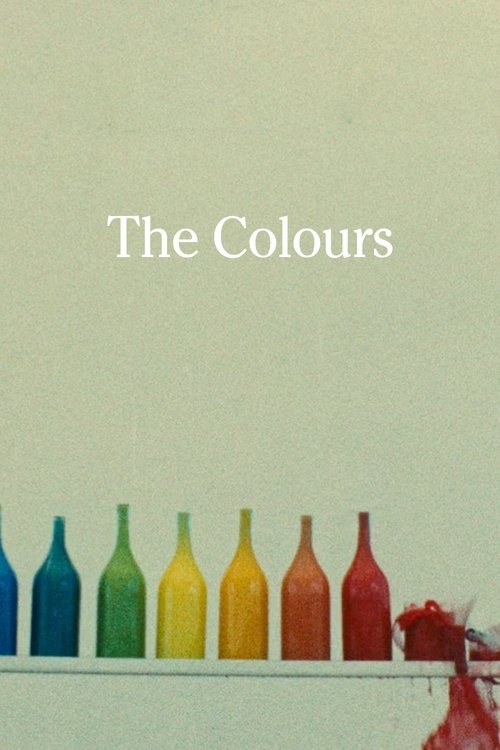
The Colours is a minimalist documentary designed for early childhood development. Because its purpose is to teach color recognition through sensory familiarity, it lacks the character-driven conflict or social friction necessary for deep identity analysis. The film exists outside the spectrum of social representation. It does not engage with systemic power structures, multi-layered themes, or social critique, focusing instead on the fundamental building blocks of visual perception. Ultimately, the lack of diversity is a byproduct of its functional, pedagogical intent rather than an intentional exclusion of specific groups.
Category Breakdown
The film focuses entirely on primary colors and educational objects. It does not provide any framework for depicting gender identity or sexual orientation.
The narrative maintains a neutral stance by focusing on inanimate objects. It avoids traditional gender hierarchies but lacks character's ability to drive the story to challenge them.
The film offers a non-Western lens through its Iranian origins. However, the subject matter is universal and lacks specific racial or ethnic characterization.
The work operates within a secular, educational framework. It avoids engaging with religious institutions or traditional family structures to remain strictly observational.
There is no evidence of characters or individuals with visible or invisible disabilities being portrayed in this educational context.
Present on Screen
Limited or Absent
Official Synopsis
By showing a series of different-coloured objects, the film aims to familiarize very young children with the various colours.
1991
1987

2021

2002
1989

1984
1895

1975
No reviews yet. Be the first to share your thoughts on this movie!
Use the rating form above to leave a star rating and optional review.