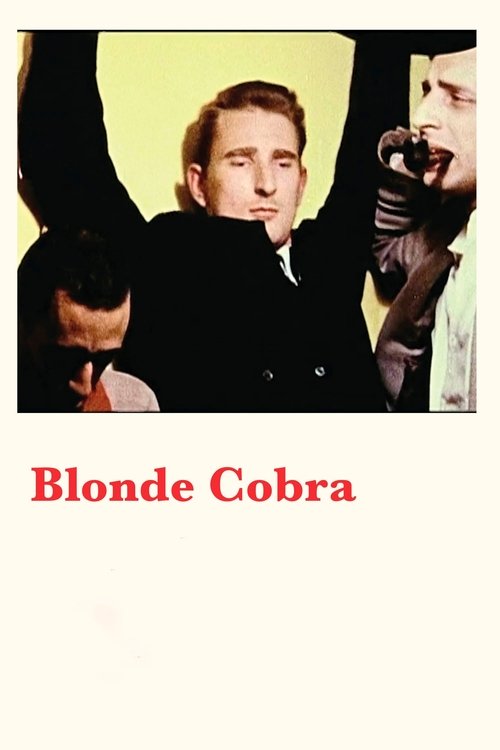
Blonde Cobra
1963
No user ratings available yet
Representation score: 6.1 out of 10

Representation Score
Excellent
1963
Director
Mike Kuchar, George Kuchar
Runtime
12 minutes
Average Rating
No ratings yetNew Showbiz Analysis
Tootsies in Autumn stands as a significant piece of counter-cultural media that disrupts mid-century cinematic conventions. By embracing a 'vortex of madness,' the film moves away from conventional storytelling toward a fragmented, subjective reality. The work effectively challenges social hierarchies through the use of camp and the deconstruction of age-based gender norms. It offers a strong critique of the era's rigid social structures. However, the film lacks clear evidence regarding racial diversity and the specific ability to act of characters experiencing psychological instability. These gaps prevent a higher score in those specific categories.
Category Breakdown
The film uses camp and queer aesthetics to critique straight-centered standards. It focuses on non-traditional gender expressions that challenge the social norms of the 1960s.
By highlighting older actors, the film deconstructs traditional ideas of feminine attractiveness. It disrupts mainstream expectations of gendered performance and social roles.
The racial makeup of the cast is not confirmed in this collection. While the underground setting allows for non-traditional casting, there is no clear evidence of intentional race-bending.
The work rejects traditional social stability in favor of chaotic, individualistic expressions. It emphasizes psychological fragmentation over the rigid, institutionalized values of mid-century Western society.
The narrative explores themes of madness and psychological instability. However, it is unclear if these states are shown with character's ability to drive the story or used merely as plot devices.
Present on Screen
Limited or Absent
Official Synopsis
[A] cautionary tale about past-their-prime thespians caught up in a typically Kucharian vortex of madness. - Anthology Film Archives
1963

1983
1963
1977
1966

1965
1967
1978
No reviews yet. Be the first to share your thoughts on this movie!
Use the rating form above to leave a star rating and optional review.