Burlesk King
1999
No user ratings available yet
Representation score: 7.1 out of 10
Representation Score
Good
1994
Director
Mel Chionglo
Runtime
118 minutes
Average Rating
No ratings yetNew Showbiz Analysis
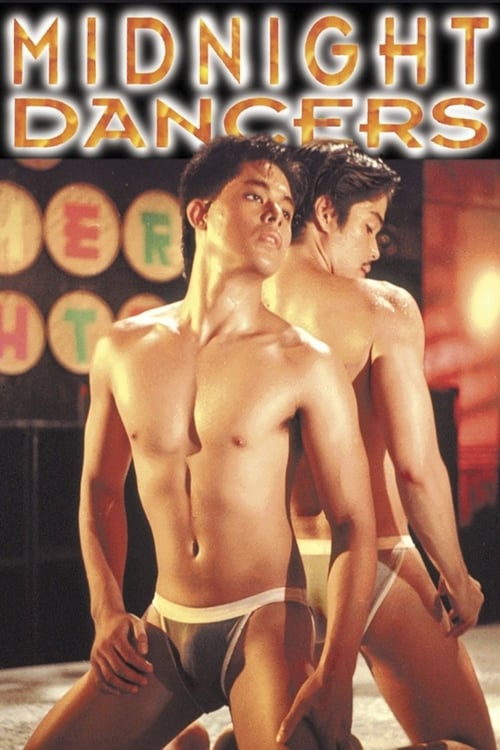
Midnight Dancers presents the lives of underrepresented individuals without sanitizing their realities. By focusing on three brothers who work as macho dancers, the film explores the intersection of queer subculture and economic survival. The narrative structure challenges the social and moral norms of its time, as shown by its original ban in the Philippines. It goes beyond simple inclusion to offer a nuanced critique of how systemic poverty shapes character's ability to drive the story. Ultimately, the film succeeds by highlighting voices on the fringes of society, using their lived experiences to disrupt conventional expectations of respectable family narratives.
Category Breakdown
The film focuses on the gay club scene in Manila, where macho dance culture and social structures play a key role in character development.
The story challenges traditional patriarchal dominance by treating masculinity as a commodity. The protagonists' worth is tied to their physical performance, which helps them navigate systemic poverty.
The movie offers an authentic look at the Filipino working class. It highlights the localized identities and the overlapping struggles of the urban poor in Manila.
The film critiques systemic economic inequality by portraying poverty as a structural issue. Its historical ban suggests it challenged the religious and traditional moralities of the Philippines.
There is no significant depiction of physical or neurodivergent disabilities.
Present on Screen
Limited or Absent
Official Synopsis
Joel, Dennis and Sonny are three poor, handsome brothers who support their parents by working as "macho" dancers in the lively gay club scene of Manila in this dramedy that was originally banned in the Philippines.
1999

1993

2000
2006
2014
1987
1989

2023
No reviews yet. Be the first to share your thoughts on this movie!
Use the rating form above to leave a star rating and optional review.