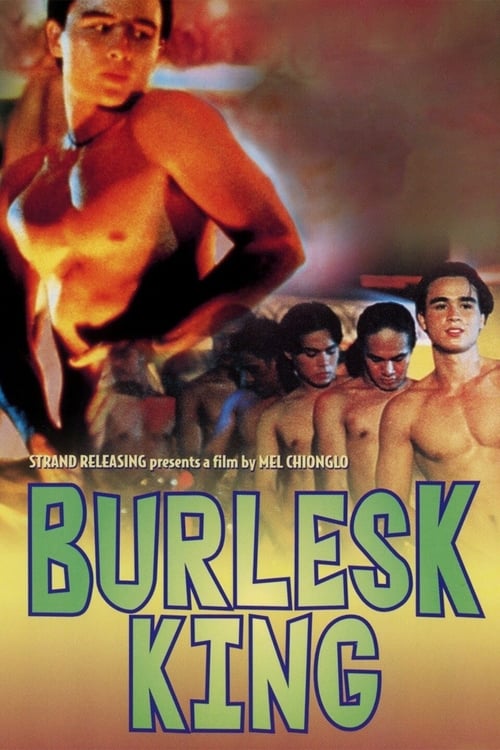
Burlesk King
1999
No user ratings available yet
Representation score: 7.1 out of 10
Representation Score
Good
2006
NRDirector
Mel Chionglo
Runtime
105 minutes
Average Rating
No ratings yetNew Showbiz Analysis
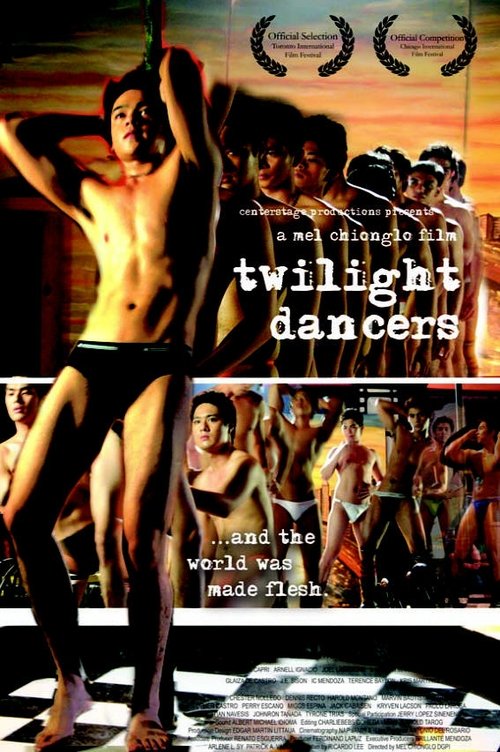
Twilight Dancers presents a raw and realistic depiction of life on the fringes of Philippine society. It centers its drama on queer subcultures and the intersection of identity and economic instability, refusing to gloss over the harsh realities of the club scene. The film's strength lies in its character-driven exploration of social hierarchies. It uses the setting of a gay club to delve into broader systemic power struggles, offering a nuanced view of how wealth and corruption shape interpersonal ethics. While the film offers a localized perspective that avoids a Western-centric lens, it maintains a relatively homogeneous cast. Its depth comes from its exploration of class and survival rather than broad ethnic diversity.
Category Breakdown
The film focuses on the emotional heart of the Philippine club scene, centered around a gay performer. This choice challenges assumptions about straight relationships and highlights the experiences of those with diverse gender identities.
Madame Loca defies traditional gender roles by being a powerful businesswoman instead of a passive figure. The film also delves into the vulnerabilities of men caught in these intricate power dynamics.
The production emphasizes Filipino identities and local socio-economic conditions, avoiding a Western-centric viewpoint. It sheds light on the systemic pressures and class struggles faced by individuals in post-colonial societies.
The narrative critiques capitalist structures and systemic corruption through its characters. It examines the tension between traditional family obligations and the exploitative nature of a modern economy.
There is no significant evidence regarding the portrayal of physical or neurodivergent disabilities in the narrative.
Present on Screen
Limited or Absent
Official Synopsis
Current most popular performer at a gay club in the Philippines (though it’s patronized by an awful lot of ogling straight women), Dwight (Tyron Perez) has a crush on a collegiate girl and an eye on better prospects working abroad. But he unwisely gets involved with boytoy-hungry Madame Loca (Cherry Pie Pichache), a ruthless, corrupt businesswoman. Her disillusioned ex-dancer bodyguard Bert (Lauren Novero) tries in vain to warn Dwight. Meanwhile, past-prime-at-28 Alfred (Allen Dizon) struggles to find legit work to support his wife and child.
1999

2013
1994

2009
1989

2010

2008

2010
No reviews yet. Be the first to share your thoughts on this movie!
Use the rating form above to leave a star rating and optional review.