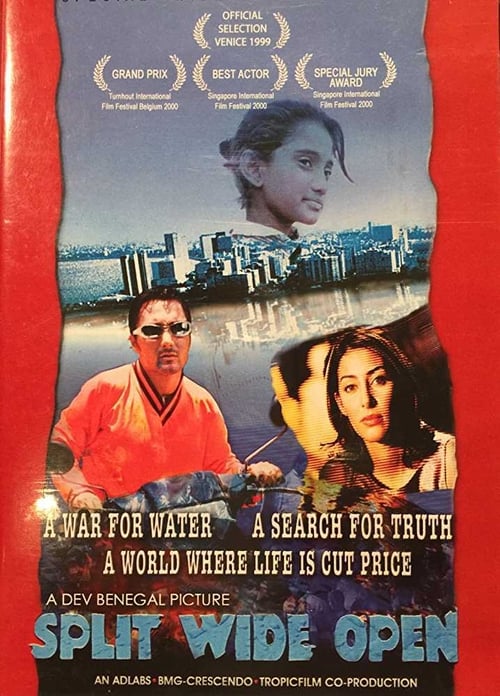
Split Wide Open
1999
No user ratings available yet
Representation score: 6.1 out of 10
Representation Score
Excellent
2014
Not RatedDirector
Ashim Ahluwalia
Runtime
113 minutes
Average Rating
No ratings yetNew Showbiz Analysis
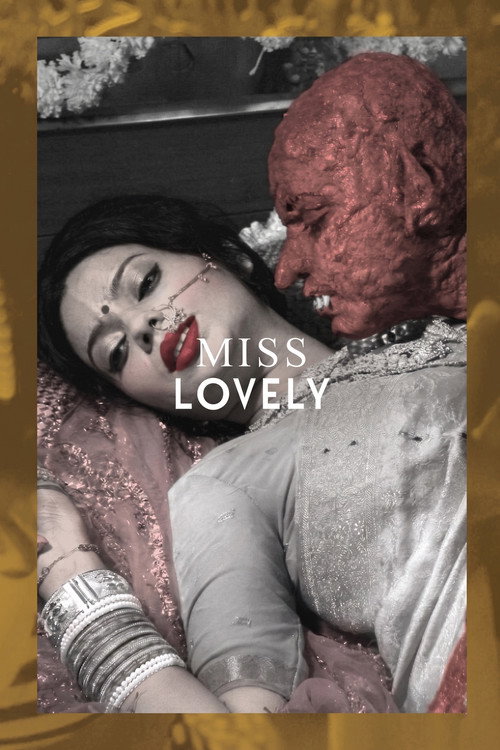
Miss Lovely is a sophisticated, postmodern exploration of the edges of Indian cinema. By centering the Hijra community, it disrupts Western-centric gender norms and traditional social hierarchies. The film's strength lies in its refusal to treat non-traditional identities as mere subplots or tragic figures. While it excels in portraying the intersections of gender and class, it offers less focus on specific physical or neurodivergent disabilities. The narrative primarily explores the socioeconomic and cultural dynamics of Mumbai's underrepresented communities.
Category Breakdown
The film focuses on the Hijra community, delving into their unique social customs and internal hierarchies. It offers a deep look at identities that exist outside typical gender norms.
By highlighting the Hijra community, the film presents social roles that don't fit standard masculine or feminine stereotypes. It avoids presenting these identities as tragic figures.
The narrative provides a localized, non-Western perspective centered around the South Asian experience in Mumbai. It prioritizes authentic, local identities over globalized, stereotypical representations.
The film examines how rapid modernization and capitalism affect underrepresented communities. It portrays these lives through personal experiences rather than imposed traditional morals.
The film highlights the systemic exclusion faced by those living in extreme poverty and urban decay. However, specific depictions of neurodivergence or physical disabilities are not central to the story.
Present on Screen
Limited or Absent
Official Synopsis
A Hindi feature film set in the lower depths of Bombay's "C" grade film industry. Miss Lovely follows the devastating story of two brothers who produce sleazy horror films in the mid-1980s.
1999
1995

2019
2016

2023

2019

2010

2017
No reviews yet. Be the first to share your thoughts on this movie!
Use the rating form above to leave a star rating and optional review.