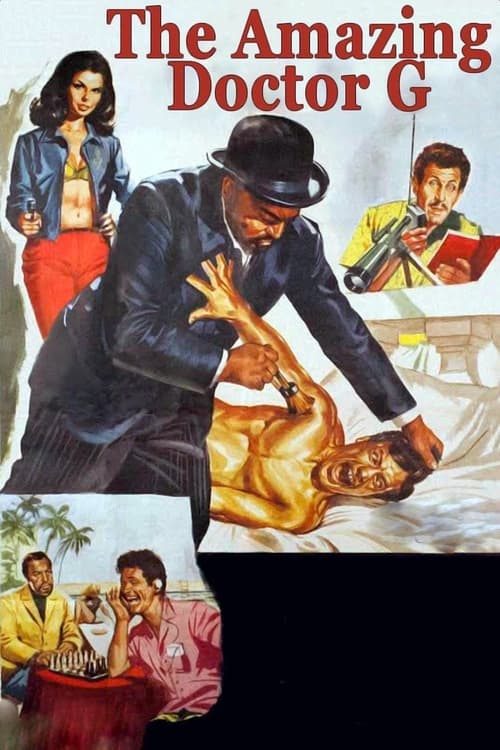
The Amazing Doctor G
1965
No user ratings available yet
Representation score: 1.8 out of 10
Representation Score
Limited
1962
Director
Giorgio Simonelli
Runtime
91 minutes
Average Rating
No ratings yetNew Showbiz Analysis
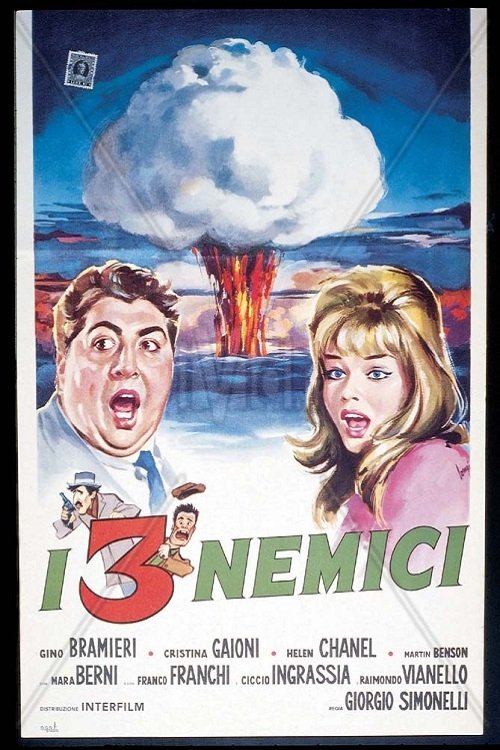
The Three Enemies is a classic 1960s farce that emphasizes situational absurdity over social complexity. The plot relies on a high-concept premise involving a meek clerk and a secret formula, using genre clichés common to the era's comedic cinema. Representation is limited by the film's adherence to mid-century social and demographic norms. It offers little engagement with progressive themes or diverse identities. Ultimately, the film functions as genre-driven entertainment. It focuses on the 'man in peril' cliché, emphasizing slapstick and irony rather than deconstructing systemic power or cultural norms.
Category Breakdown
The film does not include any characters with non-straight identities. It follows traditional comedic structures typical of 1962.
The story centers around a male protagonist in a male-dominated espionage world. Women are not shown in positions of intellectual or structural power.
The production reflects the homogeneous demographics common in mid-century European domestic comedies. It follows the standard casting practices of its time.
The spy versus civilian setup serves as a comedic plot device rather than a critique of societal norms. The focus is on individual survival and situational irony.
A physical trait—a tattoo on the protagonist's body—acts as a comedic element. The body is used for plot progression rather than nuanced character development.
Present on Screen
Limited or Absent
Official Synopsis
A meek clerk is hunted by the counterespionage because he has a secret formula tattooed on his bottom.
1965
1972
1962

1980
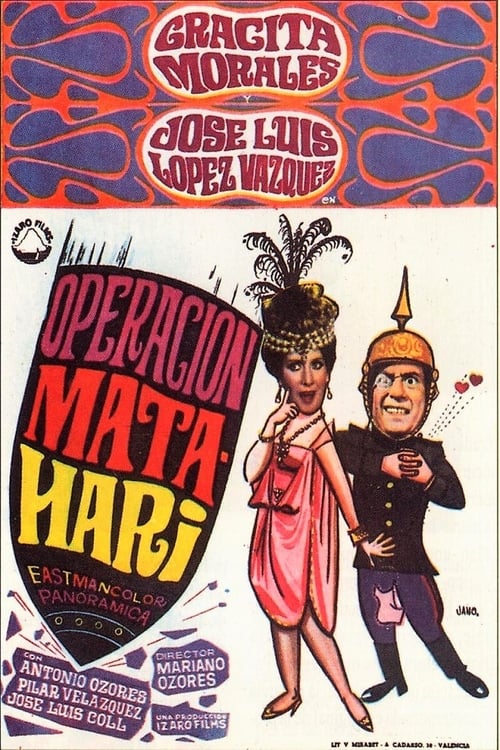
1968
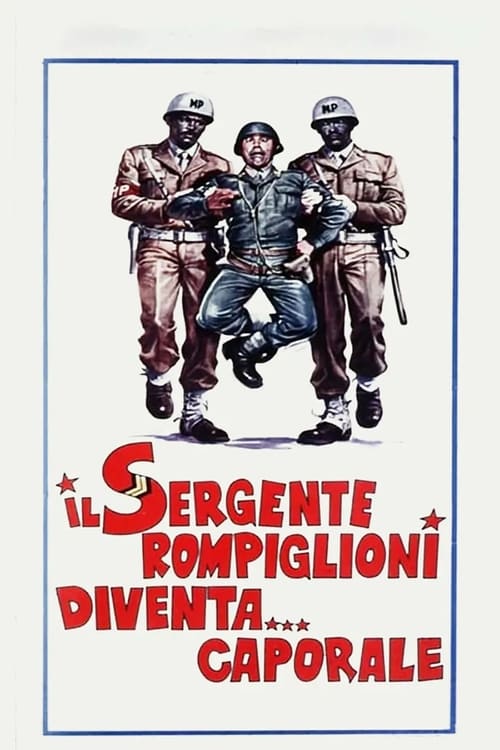
1975
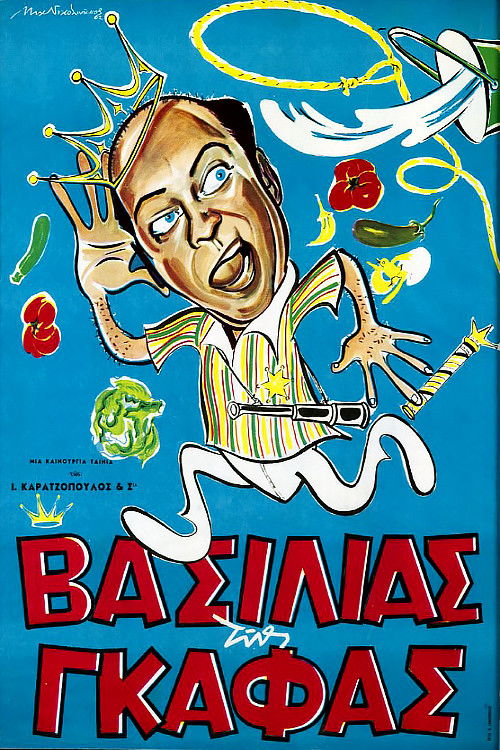
1962
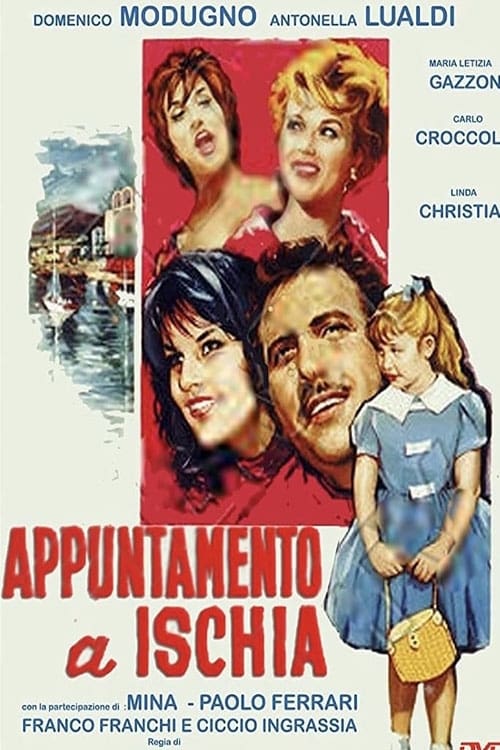
1960
No reviews yet. Be the first to share your thoughts on this movie!
Use the rating form above to leave a star rating and optional review.