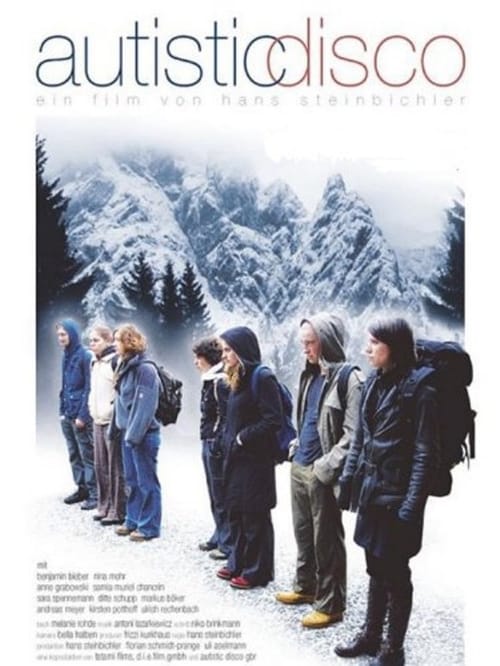
Autistic Disco
2007
No user ratings available yet
Representation score: 7.1 out of 10

Representation Score
Fair
2006
Director
Hugo Vieira da Silva
Runtime
120 minutes
Average Rating
No ratings yetNew Showbiz Analysis
Body Rice is a localized European drama that prioritizes social displacement over high-visibility multi-layered identity politics. It uses the harsh Alentejo landscape to critique institutionalized social management and traditional domestic stability. The film finds its strength in deconstructing conventional social orders. By placing characters in a 'no-man's-land,' it explores the construction of alternative, subjective communities that exist outside of urban, structured norms. However, the film lacks explicit markers of diverse representation. While it touches on cultural skepticism and non-traditional kinship, it remains rooted in standard European demographics and lacks clear evidence of LGBTQ+ or disability-focused storytelling.
Category Breakdown
The film explores non-traditional family bonds between Katrin, Julia, and Pedro. These relationships suggest a unique safe space, but the characters' LGBTQ+ identities are not explicitly defined.
Katrin plays a leading role in establishing a survivalist refuge in a desolate landscape. Her actions challenge typical stereotypes of female vulnerability.
The story focuses on a cross-border dynamic between German youth and the Portuguese landscape. The cast appears to reflect standard European demographic patterns within this region.
The narrative critiques Western institutional authority by portraying experimental social rehabilitation projects. It emphasizes finding community and refuge outside of established societal structures.
There is no mention of characters navigating physical, neurodivergent, or mental health disabilities within the provided narrative details.
Present on Screen
Limited or Absent
Official Synopsis
Since 1980 German institutions send teens to the south of Portugal under experimental projects of social rehabilitation. That's how Katrin comes to Alentejo. She will establish a unique relationship with the surrounding environment, a situation exacerbated by the harshness of the landscape and the emptiness of a socially desertified region. Katrin, with Julia and Pedro, will build a refuge in a no-man's-land...
2007
1963
2017
2013
2007
2022
1999
2007
No reviews yet. Be the first to share your thoughts on this movie!
Use the rating form above to leave a star rating and optional review.