
Body Rice
2006
No user ratings available yet
Representation score: 5.1 out of 10
Representation Score
Good
2017
Director
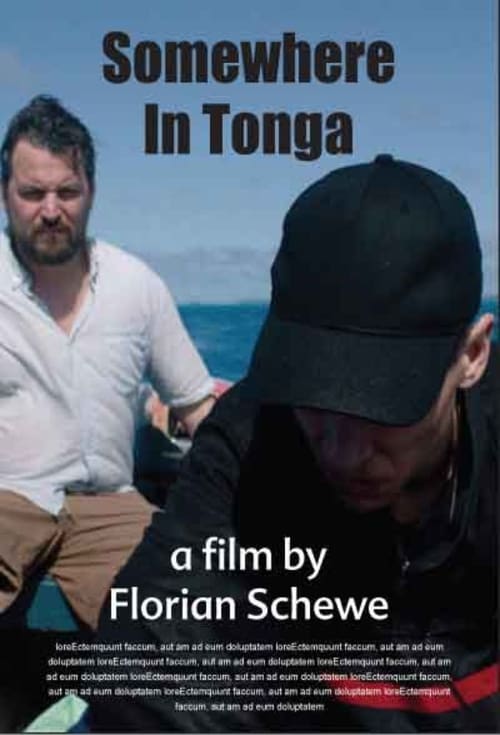
Florian Schewe
Runtime
98 minutes
Average Rating
No ratings yetNew Showbiz Analysis
Somewhere in Tonga successfully shifts the narrative focus to a Pacific Island setting, providing a fresh perspective that challenges traditional Western-centric views. However, the film's narrow focus on male characters and relationships limits exploration of gender diversity and nuanced women's ability to drive the story. The story prioritizes systemic critique over diverse character representation.
Category Breakdown
The film does not explicitly include LGBTQ+ characters or stories that challenge traditional heterosexual relationships. The plot focuses on interpersonal relationships in a social rehabilitation setting.
The story mainly revolves around the relationship between a male social worker and a male youth. It does not challenge traditional gender roles or provide nuanced women's ability to drive the story.
The Tongan setting offers a unique perspective that shifts away from Western viewpoints. This change highlights non-Western cultural contexts and challenges traditional Western-centric views.
The film challenges conventional Western approaches to justice by emphasizing rehabilitation over punishment. It questions the effectiveness of state-run disciplinary systems.
Marcel's past drug use might hint at underlying mental health issues, but the film does not prominently feature characters with disabilities taking central roles.
Present on Screen
Limited or Absent
Official Synopsis
There is nothing that keeps passionate social worker Wolski in Germany. On an uninhabited island in the Kingdom of Tonga he wants to give criminal teenagers a second chance. His first candidate is Marcel, 16, and no stranger to drugs, violence and crime. So a visit to the main island ends in disaster. Wolski only narrowly manages to keep the boy from being send to prison. The deal: From now on, Marcel is not allowed to leave the remote island at all.
2006

1938
2019

2015
2013
2013
2017

2010
No reviews yet. Be the first to share your thoughts on this movie!
Use the rating form above to leave a star rating and optional review.