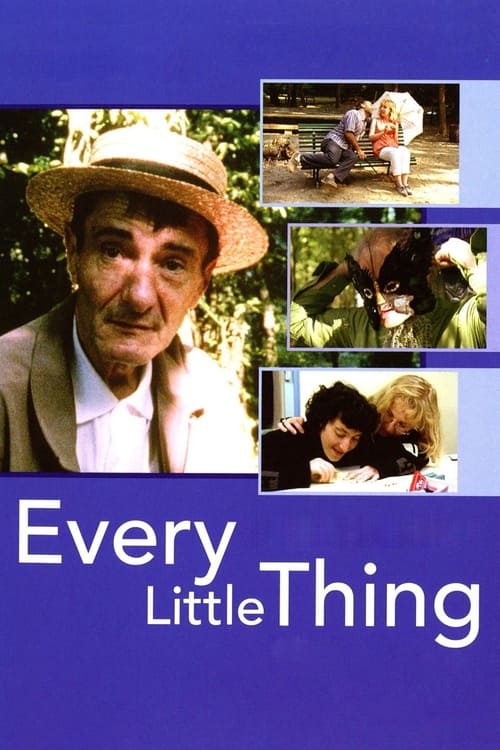
Every Little Thing
1997
No user ratings available yet
Representation score: 8.6 out of 10
Representation Score
Good
2013
Not RatedDirector
Nicolas Philibert
Runtime
103 minutes
Average Rating
No ratings yetNew Showbiz Analysis
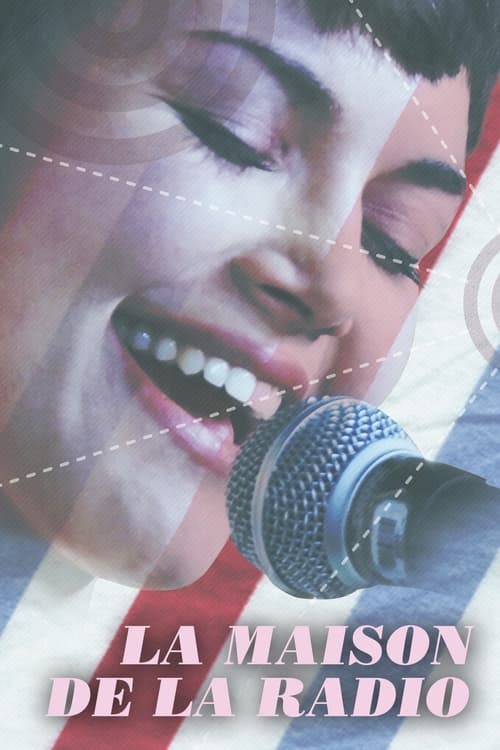
Nicolas Philibert’s documentary is a detailed look at professional rituals and institutional routines. It serves as a fly-on-the-wall observation of the Radio France headquarters, focusing on the interplay between human labor and acoustic technology. The film does not emphasize identity-driven conflicts or the subversion of social hierarchies. Instead, it offers a meticulous documentation of how a major media institution operates through technical precision and dedication. While it does not aggressively deconstruct cultural norms, it maintains a humanistic respect for its subjects, presenting a neutral and professional landscape.
Category Breakdown
The film portrays a typical professional setting where gender and sexual orientation are not central themes. Sexual orientation is secondary to the vocational focus of the subjects.
Both men and women are shown working with high technical competence and taking significant roles in driving the story. However, the documentary does not actively challenge traditional gender roles.
The cast mirrors the actual demographics of the Radio France staff in Paris. It presents a realistic view of the professional class without emphasizing racial diversity.
The narrative highlights the discipline and structure of a Western institution, focusing on the stability of French cultural life rather than challenging traditional social norms.
The film centers on auditory perception and the subtleties of sound. It avoids exploiting subjects and instead treats them through the lens of their professional roles and sensory experiences.
Present on Screen
Limited or Absent
Official Synopsis
Making a film about a radio station doesn’t sound like the most visually compelling of projects. How many takes do you need before the acoustic transition from the opening to the closing of a door is perfect or the reader's voice correctly modulated? Nicolas Philibert has accepted the challenge to portray that which cannot be seen. Shouldering his camera, he spent half a year wandering the endless corridors of Radio France’s ‘round house’ on the banks of the Seine where he filmed people who dedicate themselves utterly and meticulously to their work.
1997
2013
1958

2002
2014
1961
2014
1978
No reviews yet. Be the first to share your thoughts on this movie!
Use the rating form above to leave a star rating and optional review.