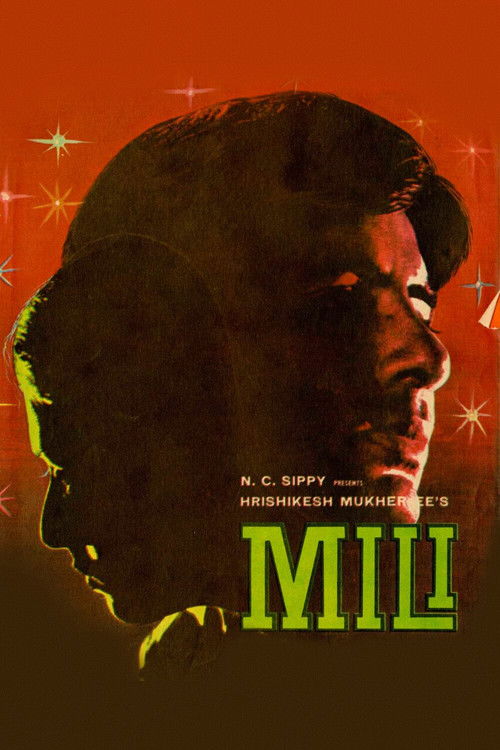
Mili
1975
No user ratings available yet
Representation score: 5.6 out of 10
Representation Score
Fair
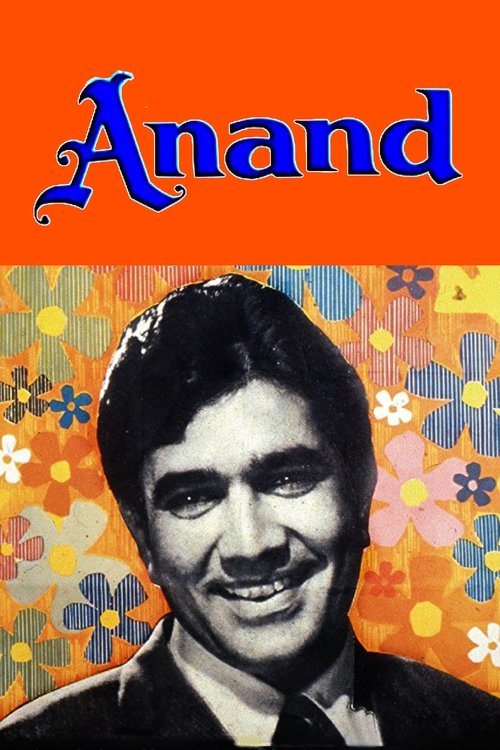
1971
Not RatedDirector
Hrishikesh Mukherjee
Runtime
122 minutes
Average Rating
No ratings yetNew Showbiz Analysis
Anand excels in humanist storytelling that emphasizes personal experiences of mortality over systemic conflicts. It succeeds by offering a nuanced portrayal of a character facing significant physical limitations. However, the film lacks the layered complexity or deliberate disruption of social hierarchies found in contemporary progressive media. It remains a culturally specific work that favors traditional narrative structures. Ultimately, the film focuses on universal humanism rather than challenging political or social norms, resulting in a score that reflects its traditionalist roots.
Category Breakdown
The film delves into the deep emotional connections between the two male leads. However, it operates within a framework that assumes everyone is straight or cisgender.
The story centers on conversations between men, with the female lead playing a significant emotional role. It follows the romantic clichés and gender roles typical of 1971.
The film portrays a uniform depiction of the Indian middle class. It reflects the specific social context of its time without incorporating diverse ethnic backgrounds.
The story highlights a universalist spirituality focused on kindness rather than religious doctrine. It maintains a stable moral compass and respects the medical profession.
Anand is shown taking a leading role despite his terminal illness. The film avoids portraying him as pitiable, focusing instead on his unique philosophy of life.
Present on Screen
Limited or Absent
Official Synopsis
Dr. Bhaskar Bannerjee struggles with his patients' suffering and the darkness and poverty he confronts daily. He treats cancer patient Anand who upon learning of his impending death determines to use the time he has left to the absolute fullest.
1975
1959
2004
1965

2005

2001
1978

2005
No reviews yet. Be the first to share your thoughts on this movie!
Use the rating form above to leave a star rating and optional review.