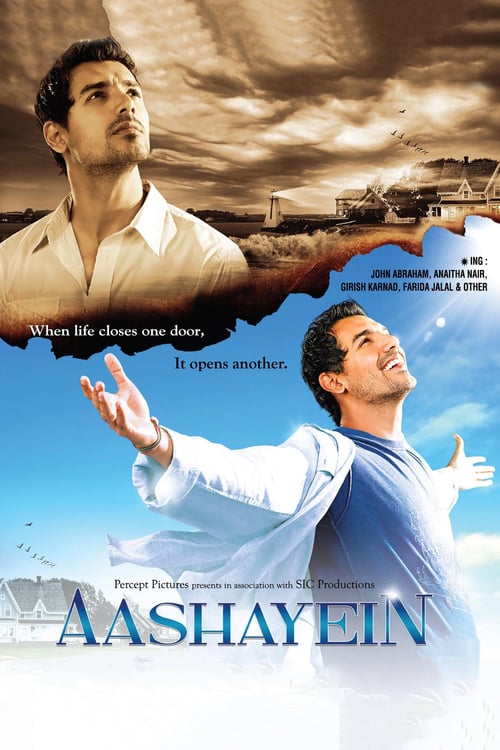
Aashayein
2010
No user ratings available yet
Representation score: 5.4 out of 10

Representation Score
Fair
2005
Not RatedDirector
Vipul Amrutlal Shah
Runtime
153 minutes
Average Rating
No ratings yetNew Showbiz Analysis
Waqt is a conventional commercial drama that adheres to established societal and narrative norms. It prioritizes mainstream genre clichés over innovative disruptions or layered character studies. The film excels in cultural authenticity, presenting a South Asian context without relying on Western casting norms. However, it maintains traditional social hierarchies and narrative structures.
Category Breakdown
The film follows traditional heterosexual relationship patterns and does not include any characters with non-cisgender identities or same-sex relationships.
Women play significant roles in the romantic storylines, but the main plot drivers are mostly male characters who embody traditional masculine traits of leadership and conflict resolution.
The cast is mainly composed of South Asians, providing a culturally authentic depiction of the setting. It avoids casting actors based on Western standards or whitewashing.
The story emphasizes traditional themes such as fate and family obligations. It upholds conventional social structures without challenging them.
Chronic illness is used as a catalyst for family conflicts and plot progression, but the portrayal does not delve deeply into the lived experience of physical disabilities.
Present on Screen
Limited or Absent
Official Synopsis
A chronic illness leaves Ishwar with only a few months to live. His son Aditya is extremely reckless. To make him realise his responsibilities, Ishwar throws his son out of the house.
2010
1971
2004
2003

2006

2001
2021

2005
No reviews yet. Be the first to share your thoughts on this movie!
Use the rating form above to leave a star rating and optional review.