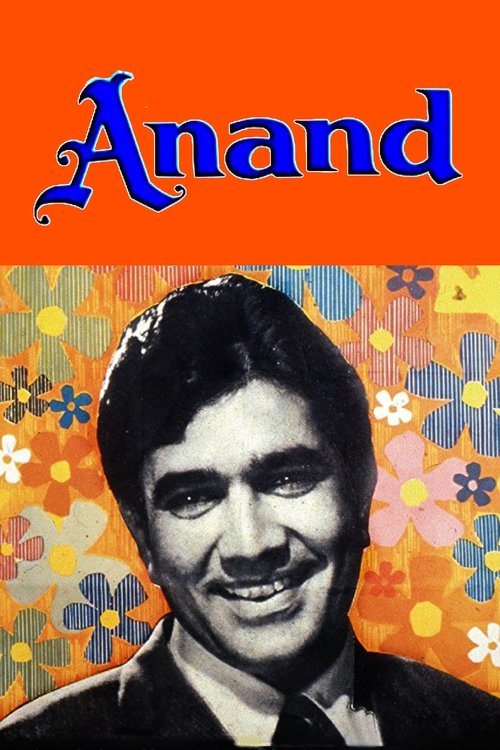
Anand
1971
No user ratings available yet
Representation score: 5.8 out of 10
Representation Score
Good
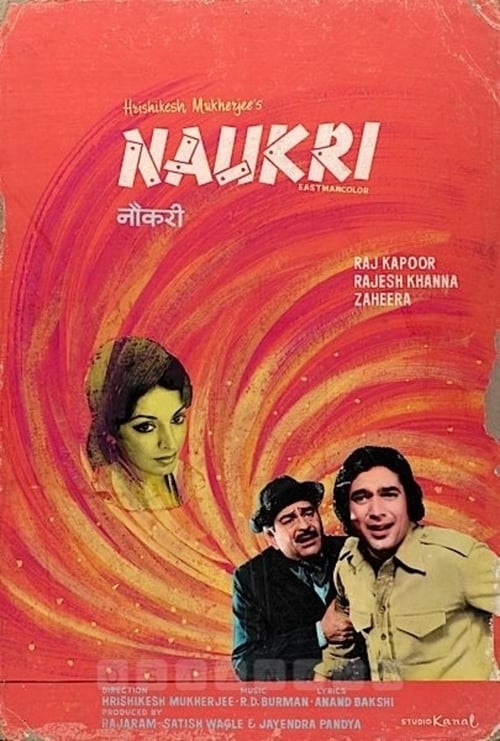
1978
Director
Hrishikesh Mukherjee
Runtime
119 minutes
Average Rating
No ratings yetNew Showbiz Analysis
Naukri is a period-specific social drama that excels in its empathetic portrayal of disability. By focusing on a character's struggle with physical limitations and the psychological burden of being unable to provide, the film avoids superficial clichés. However, the film remains firmly rooted in the social norms of its time. It maintains traditional gender hierarchies and lacks any representation of LGBTQ+ identities, focusing instead on heterosexual domesticity. While the film lacks ethnic diversity, its homogeneous cast serves its purpose as a localized critique of Indian socioeconomic structures and bureaucratic inefficiency.
Category Breakdown
The film follows the social norms of the 1970s, emphasizing traditional family structures. There are no LGBTQ narratives or non-cisgender identities present.
Women are primarily shown within the domestic sphere, with their influence tied to family stability. The film upholds traditional gender hierarchies and emphasizes male leadership roles.
The cast is culturally uniform, focusing on the Indian middle class. It lacks the diverse casting seen in modern global cinema.
The narrative provides a nuanced look at socioeconomic institutions and bureaucratic obstacles. It challenges the idealized view of post-independence progress through systemic struggles.
The story focuses on a character with physical limitations, exploring themes of dignity and self-determination. It handles disability with empathy rather than mockery.
Present on Screen
Limited or Absent
Official Synopsis
A disabled man who can't support his family contemplates committing suicide. However, a mysterious figure appears who forces him to reflect on his life.
1971
2006
1992
1980

2008

1975
1990
1971
No reviews yet. Be the first to share your thoughts on this movie!
Use the rating form above to leave a star rating and optional review.