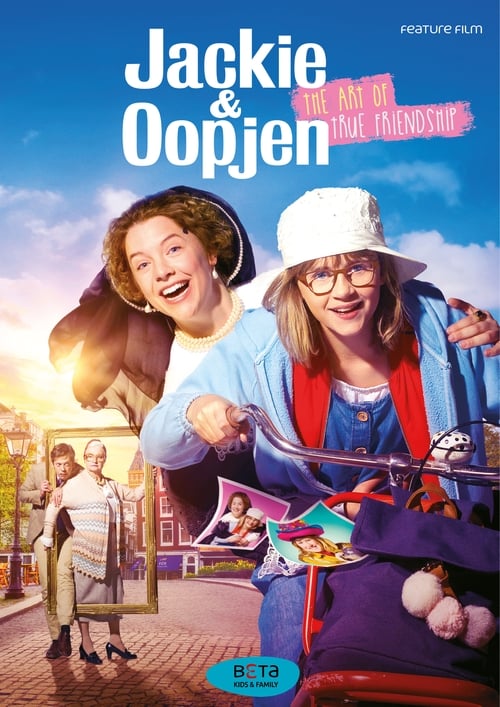
Jackie & Oopjen
2020
No user ratings available yet
Representation score: 5.3 out of 10
Representation Score
Fair
2016
Director
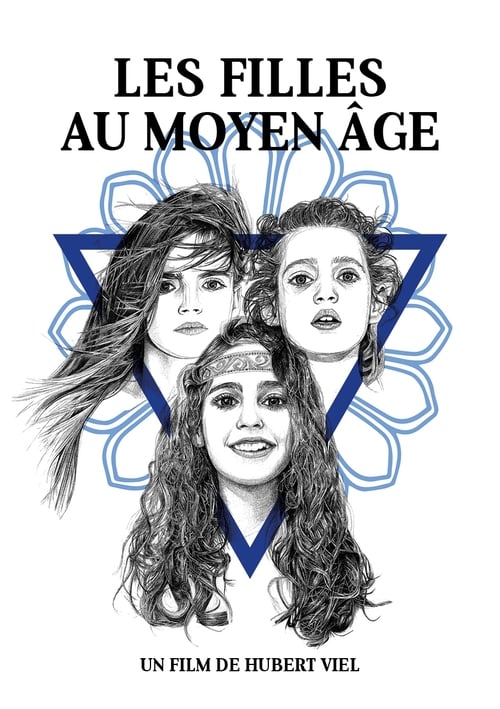
Hubert Viel
Runtime
90 minutes
Average Rating
No ratings yetNew Showbiz Analysis
Hubert Viel’s film attempts a progressive re-examination of history by centering women's perspectives in a medieval setting. This approach challenges the traditional male-centric canon, providing a strong foundation for gender diversity and cultural critique. However, the film lacks clear evidence regarding LGBTQ+ representation or racial diversity. Given the historical setting and French production context, it is difficult to assess multi-layered depth. Ultimately, the work succeeds as a pedagogical tool for deconstructing historical narratives, even if it remains unconfirmed in other key areas of identity representation.
Category Breakdown
The film focuses primarily on the historical experiences of women. There is no explicit evidence of same-sex relationships or non-binary gender identities within the narrative.
By centering the female experience, the film challenges the idea of the Middle Ages as a purely patriarchal era. It shifts the focus from traditional 'great men' to women's lived experiences.
Given the medieval setting, it is challenging to determine specific racial diversity or blended casting without additional visual data.
The film uses storytelling to children and an elder to reframe historical truths. This approach deconstructs singular, authoritative Western historical accounts through a subjective lens.
There is no discernible evidence regarding the portrayal of physical or neurodivergent disabilities in this work.
Present on Screen
Limited or Absent
Official Synopsis
The history of women through the Middle Ages as told to and by little boys and girls and an old man (Michael Lonsdale)
2020
1992

2011
2022

2019
1997

2012
1993
No reviews yet. Be the first to share your thoughts on this movie!
Use the rating form above to leave a star rating and optional review.