Bala de Plata en el pueblo maldito
1960
No user ratings available yet
Representation score: 1.4 out of 10
Representation Score
Limited
1965
Director
Miguel Morayta
Runtime
86 minutes
Average Rating
No ratings yetNew Showbiz Analysis
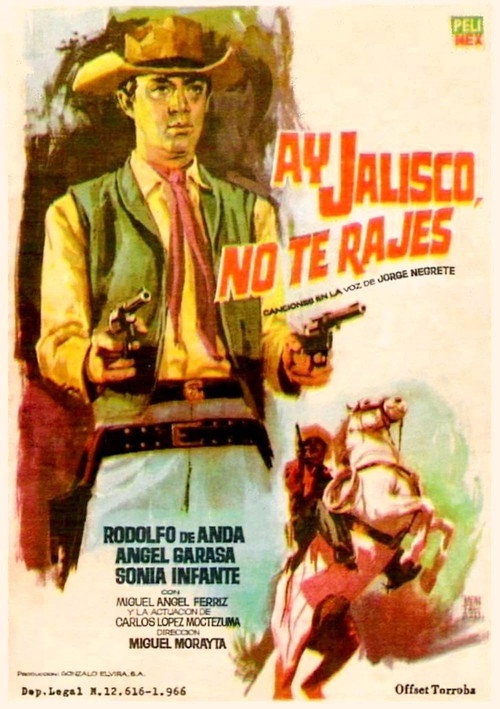
¡Ay, Jalisco no te rajes! is a traditionalist film that emphasizes historical continuity. It aims to replicate the prestige of 1940s ranchera movies, reinforcing established cultural archetypes. The film's structure relies on classic cinematic formulas that prioritize traditionalism over progressive representation. While it centers Mexican identity, it does so through a lens of preservation rather than subversion. Ultimately, the work celebrates traditional norms without addressing modern social diversity.
Category Breakdown
The film does not include any representation of LGBTQ+ identities or same-sex relationships. It follows traditional heterosexual relationships typical of the ranchera tradition.
The film features traditional masculine roles where male characters have leadership positions. Female characters tend to play supporting or romanticized roles that align with mid-20th century gender norms.
The movie showcases high levels of ethnic representation within Mexico. However, it focuses on a specific Mexican culture rather than exploring diverse racial identities.
The story celebrates traditional Mexican values and social structures. It upholds traditional morality and community stability without challenging cultural norms.
There is no discernible information regarding the portrayal of physical or neurodivergent disabilities in this work.
Present on Screen
Limited or Absent
Official Synopsis
A man hated by his father and in love with a beautiful woman whose brothers do not approve of the relationship and persecute him.
1960
1965
1961
1968
1966
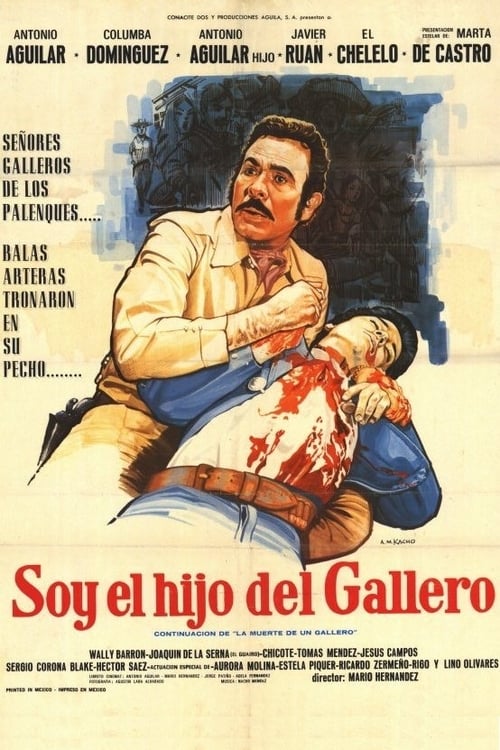
1978
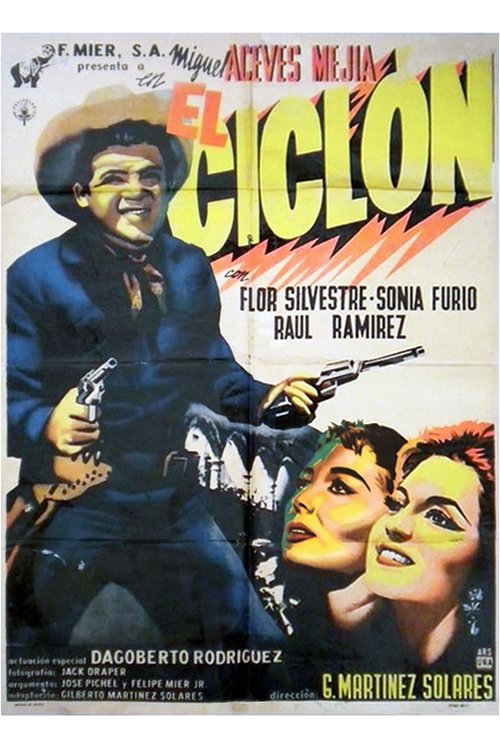
1959
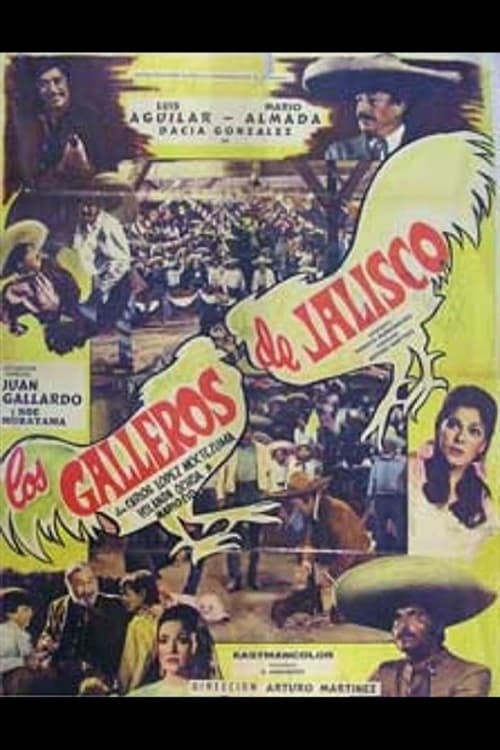
1974
No reviews yet. Be the first to share your thoughts on this movie!
Use the rating form above to leave a star rating and optional review.