El hijo del charro negro
1961
No user ratings available yet
Representation score: 3.0 out of 10
Representation Score
Limited
1968
Director
Chano Urueta
Average Rating
No ratings yetNew Showbiz Analysis
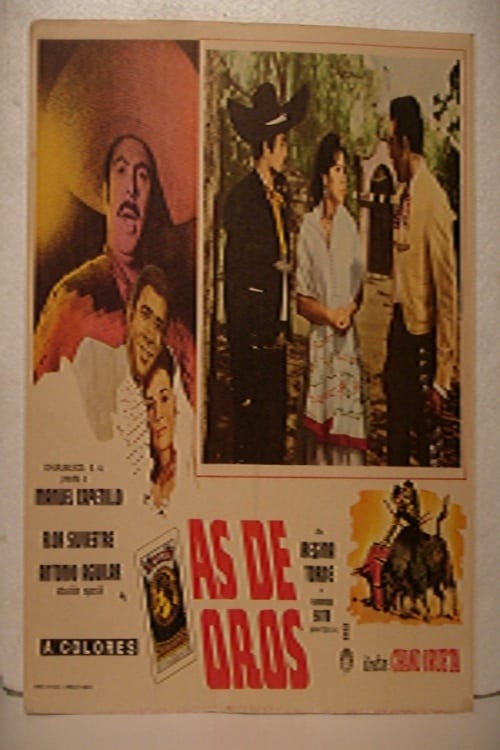
El as de oros operates strictly within the established commercial and social frameworks of 1960s Mexican melodrama. The film relies on traditional archetypes, such as the vulnerable charro and the disruptive urban woman, to drive its central conflict. While the film provides cultural alignment through its setting and casting, it does not attempt to challenge systemic power dynamics or social hierarchies. The themes focus on personal romantic consequences rather than progressive social restructuring. Ultimately, the work functions as a standard genre piece of its time, prioritizing conventional storytelling over diverse representation or social critique.
Category Breakdown
The film focuses on a traditional romantic conflict between a rural man and an urban woman. It does not include non-binary gender identities or narratives that challenge the assumption that everyone is straight or cisgender.
The story uses the 'femme fatale' cliché to drive the plot. While the female lead plays a significant role in rejecting the male character, the dynamic remains rooted in conventional romantic betrayal.
The production features a predominantly non-Anglo-Saxon cast. It uses mestizo and indigenous cultural signifiers through the charro archetype, reflecting the standard Mexican identity of the era.
The narrative reinforces traditional social structures by contrasting rural values with urban influences. It follows a moralistic approach to personal conduct and romantic instability.
There is no mention of characters with visible or invisible disabilities within the narrative.
Present on Screen
Limited or Absent
Official Synopsis
A young charro's head is turned by a glamourpuss from the big city, and he has a hard time putting his life back together after she kicks him to the curb.
1961
1966
1952
1965

1965
1960

1969
1965
No reviews yet. Be the first to share your thoughts on this movie!
Use the rating form above to leave a star rating and optional review.